This video emphasizes foundational skills for prepared citizens, prioritizing functional fitness, firearms marksmanship, and mindset over industry trends. It outlines essential individual responsibilities including small unit tactics, basic survival, and medical skills, stressing that specialized training should only follow mastery of these core competencies. The speaker, Eric, advocates for a humble, service-oriented approach to training and community involvement, drawing parallels to historical Minutemen.
This video argues against relying on politicians for personal security and prosperity, emphasizing self-reliance. It covers historical gun control legislation, financial preparedness, risk assessment (HILF events vs. daily risks), health and medical skills, food/water stockpiling, communication, community building, and environmental-specific threats. The core message is that individuals must take responsibility for their own safety and well-being.
This YouTube video focuses on the critical importance of medical training, particularly in dire emergency situations. It draws a powerful connection to real-world events, referencing a mortar incident in Benghazi where medical skills proved life-saving. The discussion, featuring Sarah Adams and Boon, highlights how proper medical knowledge can have a profound impact on outcomes.
This video explores the 'Civilian Green Beret' concept, advocating for highly prepared individuals to act as force multipliers within their communities. It emphasizes training others, sharing essential gear, and cross-training in various disciplines like CQB, medical, and communications. The host, with high authority in the civilian tactical community, stresses practical application and community empowerment over lone-wolf scenarios.
This video emphasizes the critical importance of tactical medical training, specifically Stop the Bleed, for firearm owners and the general public. Dr. Brian Despinos, a pediatrician and emergency medicine physician, highlights that uncontrolled bleeding is the leading preventable cause of death from injury. He stresses that anyone can learn these life-saving skills, which are crucial for responding to gunshot wounds, accidents, and other traumatic events before professional medical help arrives. The discussion covers essential equipment like tourniquets and hemostatic gauze, proper application techniques, and the necessity of regular practice to maintain proficiency.
This comprehensive guide synthesizes expert instruction from a former JTAC and Green Beret team member, covering five essential skills for prepared citizens: firearm proficiency, life-saving medical techniques, advanced navigation, battlefield technology utilization, and small unit tactics/survival. The training emphasizes becoming a valuable asset through rigorous, mission-oriented practice.
Paul Pollack, a former Fleet Marine Force Corpsman with extensive combat experience, discusses his transition into civilian tactical medicine and EMS. He emphasizes the importance of practical, hands-on training and the transferable skills learned in the military. Pollack highlights the need for continuous learning and adapting to evolving medical protocols, particularly in high-stress environments. His insights cover the challenges and rewards of tactical medicine, the importance of mentorship, and the development of effective training programs for civilians, military, and law enforcement through Bear Solutions.
This video covers the first day of a two-day Traumatic Injury Response Course (TECC). The focus is on training everyday individuals in life-saving techniques, suggesting practical medical preparedness relevant to potential violent incidents. While no specific firearms are mentioned, the context of TECC training often implies scenarios where firearms might be involved, and the need for immediate medical intervention.
This video serves as a serious reminder about the importance of first aid skills, particularly for individuals interested in self-protection. The presenter emphasizes that first aid knowledge is as crucial as defensive skills. The video also promotes merchandise, an additional YouTube channel, and a patron membership program for supporting the creator's work. It directs viewers to a directory for finding qualified instructors and briefly mentions the limited details available for the specific incident, if any.
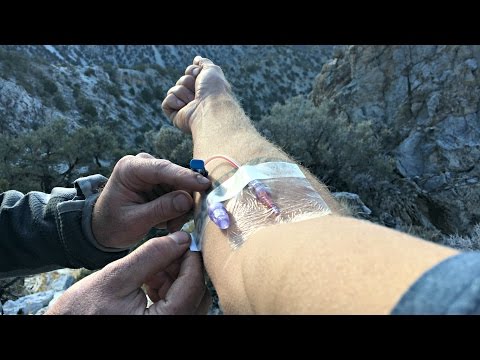
This video provides instruction on how to start an intravenous (IV) catheter, highlighting its critical role in medical interventions and saving lives. The presenter emphasizes the importance of acquiring such skills for situations where conventional medical support is unavailable, such as during outdoor adventures or in emergencies. The video also promotes specific medical kits and gloves from North American Rescue and Chinook Medical Gear, along with Kit Badger's own products. The overall message encourages preparedness and skill acquisition.
This video showcases officers performing emergency first aid on a suspect with a gunshot wound, highlighting the critical importance of first aid skills and equipment for "Active Self Protection." While generally not recommending CCW holders provide aid to those they've defended against, the footage emphasizes the necessity of such skills if a loved one is injured. The description also promotes ASP Patron membership for video support and links to additional lessons and information on officer-involved shootings.
You've reached the end! 11 videos loaded.
Gun Laws by State
Read firearms regulations for all 50 states + D.C.
Find Gun Dealers
Search licensed FFL dealers near you.