This video explores the classification of firearms, specifically addressing why a particular weapon might NOT be considered an "assault weapon." The title suggests a discussion that delves into legal definitions, firearm features, and potentially the common misconceptions surrounding the term "assault weapon." The content likely aims to educate viewers on the technical and legal distinctions that differentiate various types of firearms, moving beyond simplified or politically charged labels.
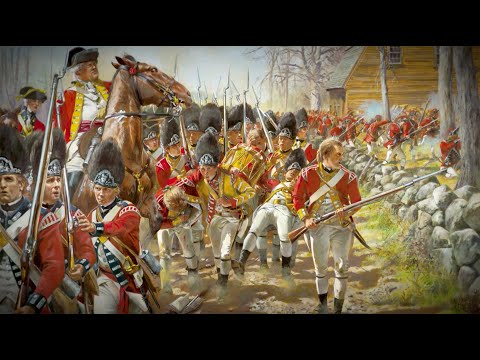
This video explores the firearms used by American militia and British regulars during the Battles of Lexington and Concord, 250 years later. It highlights that militia primarily used "fowling pieces," which were long-barreled hunting guns, often with English forms but French-style butts and parts. The loading process for muskets, both British and American, is detailed, emphasizing the speed and technique required. The video also discusses the archaeological findings that support the prevalence of smaller bore fowling pieces among the militia and examines Captain John Parker's fowling piece, noting its bore size and historical modifications.
This guide details the loading and firing procedure for the Maryland Committee of Safety Flintlock Pistol, a rare Revolutionary War-era firearm. It emphasizes the unique traceability of these arms due to organized procurement and inspection by figures like Thomas Ewing. The video, presented by Ian McCollum, highlights the pistol's flintlock mechanism, single-shot capacity, and its dual use as a club.
You've reached the end! 3 videos loaded.
Gun Laws by State
Read firearms regulations for all 50 states + D.C.
Find Gun Dealers
Search licensed FFL dealers near you.