This video, referencing TC3-22.9, outlines target prioritization principles for engaging multiple threats. It categorizes targets into Most Dangerous, Dangerous, and Least Dangerous, and provides a framework for engagement order based on proximity, orientation, and movement status. The core principles are 'Near before Far,' 'Frontal before Flank,' and 'Stationary before Moving,' emphasizing ammunition conservation and controlling the engagement's pace.
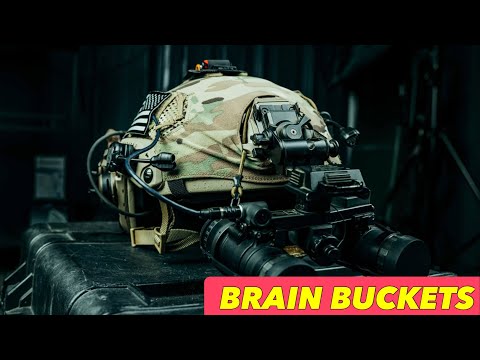
This video argues that civilians serious about preparedness should invest in ballistic helmets, not just bump helmets used for aesthetics. While bump helmets are often seen as a fad for 'goons' prioritizing looks over protection, ballistic helmets offer crucial life-saving capabilities. The speaker emphasizes that even helmets not rated for rifle cartridges can stop handgun rounds and ricochets, citing numerous reports of SWAT officers surviving buckshot and handgun fire. The recommendation is to buy the best ballistic helmet one can afford, prioritizing reliability and actual ballistic protection over brand or style.
This video argues that Low Power Variable Optics (LPVOs) are generally unsuitable for most rifle applications in 2025, citing issues with speed, weight, battery life, and user error. The speaker advocates for red dot sights, ACOG with RMR, or EOTech magnifiers as superior alternatives for common use cases like home defense and general infantry roles, reserving LPVOs for specialized designated marksman roles. The acceptable price point for a quality LPVO is stated to be around $1,400, with the Nightforce ATACR 1-8x being the sole recommended option.
You've reached the end! 3 videos loaded.
Gun Laws by State
Read firearms regulations for all 50 states + D.C.
Find Gun Dealers
Search licensed FFL dealers near you.