This video details the historical events leading up to and including the Wounded Knee Massacre, highlighting the firearms used by the US Army, specifically the Springfield Trapdoor rifle and Hotchkiss cannons. It explores the context of the Ghost Dance movement and the government's response, ultimately framing the event as a tragic mass shooting enacted upon Native Americans.
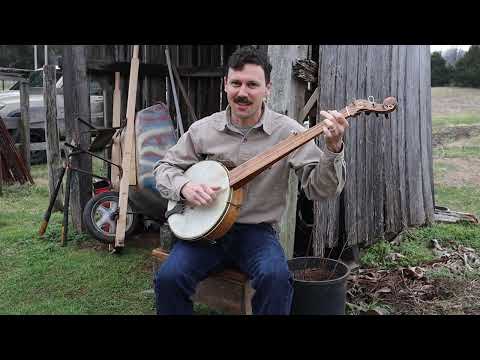
This video delves into the historical context surrounding the forced removal of the Cherokee people, specifically referencing the year 1838 and the involvement of the 4th U.S. Artillery Regiment. It highlights the use of music, including 'Napoleon Crossing the Alps' and 'Such a Getting Up Stairs,' by the regimental band during the removal process along Spoiled Cane Creek near Unicoi Gap, on the Georgia-Tennessee border. The description also promotes various platforms for supporting banjo heritage and the creator, Clifton Hicks.
This video appears to be focused on historical events, specifically the Mexican Revolution and Native American history. Based solely on the title and description, there is no indication of any firearms being discussed or demonstrated. The title's use of hashtags like #revolution and #mexican, along with #nativeamerican, strongly suggests a historical or cultural theme rather than a firearms-related one.
This video explores the Pueblo Revolt of 1680, presenting it as the 'first American Revolution.' It details how the Pueblo and Hopi peoples united to overthrow Spanish colonization and suppress forced religious conversion. The content highlights a significant historical event that predates the more commonly known American Revolution, focusing on indigenous resistance against colonial powers.
This video discusses the historical consequences of disarming America, focusing on its impact on those without firearms, particularly Native Americans. It emphasizes the importance of understanding history to avoid repeating mistakes and links gun ownership to a wise culture. The description also includes promotional links for sponsors, merchandise, and the channel's social media.
This video, "Old West Vignettes: The Battle Of K-H Butte," delves into historical conflicts from August and September of 1881. It begins by referencing the Battle of Cibecue Creek, stemming from the arrest and murder of medicine man Nock-ay-det-klinne. The narrative then shifts to Geronimo and other Apache leaders who, fearing further bloodshed, escaped the San Carlos reservation with 74 warriors and 300 women and children. Their flight towards Mexico involved raids for supplies, culminating in a confrontation on October 2nd, 1881, between the Apache warriors and approximately 200 Federal troopers, which became known as the Battle of K-H Butte.
This video explores a historical clash in Arizona: the Battle of Dragoon Springs. It details a confrontation between a Confederate scouting party and warriors from Cochise's Apache band at the ruins of a former stagecoach stop. The description highlights the lesser-known fact of Confederate involvement with Native American tribes beyond their conflict with the Union. The video encourages viewer support via Patreon.
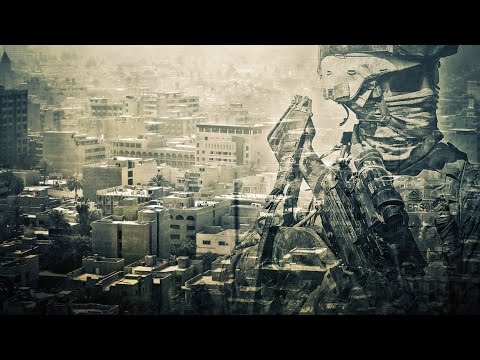
This episode of "Defending Our America," sponsored by SIG Sauer, explores historical decision-making through the lens of the Iroquois Nation's multi-generational perspective. The discussion specifically considers how the Iraq War might have been approached differently if leaders had applied this long-term foresight. The video promotes further episodes available on NRA News.
You've reached the end! 8 videos loaded.
Gun Laws by State
Read firearms regulations for all 50 states + D.C.
Find Gun Dealers
Search licensed FFL dealers near you.