This video explores the origins of Navy Arms and its pioneering role in producing Old West reproduction firearms, focusing on the collaboration between Navy Arms founder Valforjet's father and engineers Veto Gregorelli and Aldo Uberti. It details the development of early models like the 51 Navy and Griswold revolvers, the strategic business decisions behind their production, and the subsequent expansion into lever-action rifles. The discussion also touches upon the rise of cowboy action shooting and the eventual sale of Uberti to Beretta, explaining why Navy Arms ceased production of these reproductions.
This video details the complex and dangerous operation to clear Bannerman's Island of vast quantities of ordnance in the 1950s. Valforjet, an explosive ordnance demolition expert, recounts the challenges of dealing with unstable explosives and historical munitions. The clearing of the island ultimately financed the start of Navy Arms' reproduction revolver business.
This video delves into the legacy of Francis Bannerman, a pivotal figure in making military firearms accessible to collectors. It explores his business model, Bannerman's Island, and the types of surplus arms he sold, including notable examples like the Winchester Lee Navy and modified P14 rifles. The discussion also touches upon the historical context of gun collecting and the influence of Bannerman's operations on subsequent surplus dealers.
This video from God Family and Guns identifies military surplus firearms as the top investment in 2026, contrasting them with modern firearms that typically depreciate. The speaker, identified as experienced, highlights the scarcity of older military rifles like the Mosin Nagant, Gewehr 98, and SKS, noting their historical low prices and current desirability due to limited supply and import restrictions. Modern firearms like Glocks and ARs are generally advised against for investment purposes.
This video reviews the top 20 new firearms showcased at the 2026 Shot Show. The presenter highlights innovative designs and significant updates across various firearm types, from shotguns and handguns to rifles and revolvers. Key mentions include the Rock Island Armory Packout 12 gauge, Staccato HDC4X, IWI Mate 12 gauge, and the new Glock 19 Gen 6, offering insights into their features and potential applications.
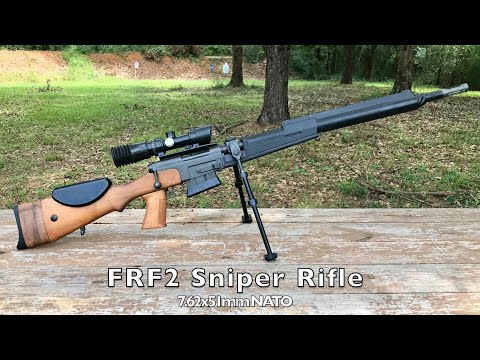
This video provides an in-depth look at the French FR-F2 sniper rifle, examining a batch of approximately 100 rifles. Host Ian McCollum details the rifle's history as an upgrade from the FR-F1, its conversion to 7.62 NATO, and unique features like the thermal sleeve and Scro J8 scope. The video highlights variations in serial numbers, original accessories, and rare markings, offering valuable insights for collectors and enthusiasts.
This video details the fascinating acquisition of the W.W. Greener company and its assets by Val Forgett of Navy Arms. It highlights the strategic business dealings, the discovery of hidden assets like the Greener Police Gun, and the acquisition of unique historical firearms such as a WWI sniper variant of the .280 Ross rifle. The narrative emphasizes the historical context of surplus firearms and the shrewd business acumen involved in acquiring a storied gunmaker's legacy.
This video explores the history and significance of French Resistance No. 4 Lee-Enfields imported by Navy Arms. It details the adoption of the No. 4 rifle by Britain during WWII, its production overseas, and its eventual use by resistance groups. The video also highlights post-war markings and the condition of these historical firearms.
This guide details the installation and initial inspection of the rare Scrome J8 Mle F1 scope on an FR-F2 sniper rifle, as presented by Ian McCollum on Forgotten Weapons. It covers unpacking, safety checks, mounting the scope, and accessory usage. The video highlights the significance of these original French military surplus items, emphasizing their rarity and the value of acquiring them in complete sets with original cases and accessories.
This video discusses the French FR F2 sniper rifle, a bolt-action firearm chambered in 7.62 NATO. Developed during the Cold War as an upgrade to the FR F1 (based on the MAS-36 action), the FR F2 served the French military for three decades. The description notes that these rifles are now being retired and are available for sale through Navy Arms. The video also promotes the NRA and its various publications.
This video announces a limited edition Winchester Model 1873 Centennial rifle, a collaboration between Navy Arms and the Buffalo Bill Center of the West. The rifle is a custom, collectible firearm.
This episode of American Rifleman TV, filmed in Herstal, Belgium, focuses on firearms manufactured by Fabrique Nationale (FN), highlighting their arms supplied to military forces globally, including the United States. The "Rifleman Review" segment examines the classic Navy Arms Winchester Model 1873. Additionally, the "I Have This Old Gun" feature showcases the historical .22 Long Rifle Colt Camp Perry Model.
You've reached the end! 12 videos loaded.
Gun Laws by State
Read firearms regulations for all 50 states + D.C.
Find Gun Dealers
Search licensed FFL dealers near you.