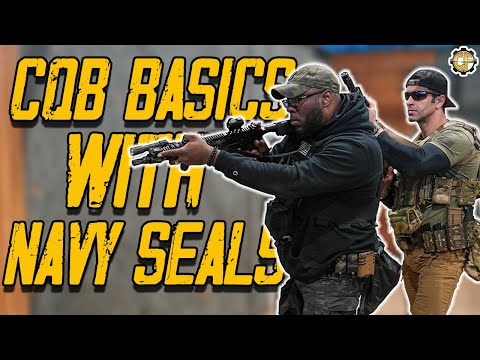
This video emphasizes the critical importance of synchronized team movement in Close Quarters Battle (CQB). It argues that tactical skills are only effective when integrated into a cohesive team flow, stressing the need for a simple, repeatable formula for communication. The description highlights how non-verbal cues and body language are essential for conveying intent and predicting teammate actions in high-speed environments where verbal communication is insufficient. The core message is about moving as a single unit, making movement itself a vital component of CQB success.
This video emphasizes the critical role of body language in Close Quarters Battle (CQB) operations. It highlights how non-verbal cues can effectively communicate intentions and movements to teammates, fostering seamless coordination and precision. The core message is about achieving a flow state where actions are anticipated, enabling silent and efficient teamwork. The video promotes a professional approach to these tactical situations, encouraging viewers to 'Be A Pro.'
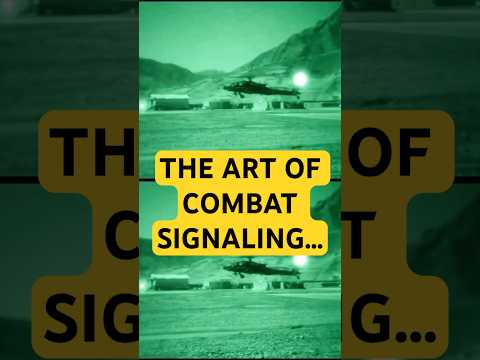
This video explores the art of signaling in combat scenarios. While the specific firearms or equipment used are not detailed in the provided information, the core topic revolves around effective communication and tactical signaling techniques that can be employed in a combat environment. The content likely aims to educate viewers on non-verbal communication methods crucial for coordinated action and situational awareness during conflict.
This video focuses on the critical importance of non-verbal communication and situational awareness in Close Quarters Battle (CQB). It highlights how subtle body language, such as barrel attitude, head position, and body angle, can effectively convey intentions in low-visibility, low-communication environments. The description emphasizes that developing this level of team cohesion and understanding through extensive time spent together is akin to a "superpower," transcending typical training scenarios and requiring constant attention to detail. The core message is that building trust and intimate connection within a team is paramount for success in high-stakes operations.
This guide details Close Quarters Battle (CQB) room entry techniques taught by Active Crisis Consulting, emphasizing dry-fire practice with the Mantis Blackbeard system. It covers crucial steps like threshold assessment, 'pieing' the room, adopting the High Ready stance, and utilizing non-verbal cues for seamless team movement. The instruction highlights threat prioritization and maintaining situational awareness to effectively manage dynamic environments.
This video explores how the game 'Ready or Not' can be utilized for real-life tactical training, focusing on teamwork, communication, and visualization. It highlights how gaming can influence perception and accelerate learning basic concepts like aiming and movement. The content emphasizes practical applications such as proper door breaching, situational awareness, and the importance of clear communication in high-stress scenarios, drawing parallels between virtual and real-world tactical operations.
This video focuses on developing problem-solving skills by understanding and interpreting behavioral communication. It emphasizes the importance of recognizing both verbal and non-verbal cues to effectively respond to situations and de-escalate potential conflicts. The core message revolves around better communication and interpersonal skills.
This guide outlines techniques for detecting deception, drawing from the expertise of former CIA officer Jason Hanson. It emphasizes establishing a baseline, observing immediate reactions to questions, recognizing the 'freeze' response, and using the 'Least Guilty' method to gauge truthfulness. These methods are presented as practical tools for understanding human behavior.
This episode of the 307 Podcast, featuring insights from Brooke and Chad, delves into crucial communication tactics, techniques, and procedures. They emphasize the importance of active listening, controlling one's speech, and showing genuine interest in others. Drawing parallels from military communication and principles from Dale Carnegie's 'How to Win Friends and Influence People,' the discussion covers bad communication habits, the art of concise messaging, and building effective chains of command. The hosts advocate for empowering individuals, acknowledging positive behavior, and delivering feedback constructively to foster better relationships and team dynamics.
You've reached the end! 9 videos loaded.
Gun Laws by State
Read firearms regulations for all 50 states + D.C.
Find Gun Dealers
Search licensed FFL dealers near you.