This video title, 'Privateering against cartels — who does it really appeal to?', suggests a discussion that delves into the controversial and ethically complex topic of private military contractors or vigilante groups engaging in operations against drug cartels. The description invites viewers to join a discussion panel, indicating a focus on debate and varied perspectives rather than a product review or technical demonstration. The core appeal likely lies in exploring the motivations, feasibility, and societal implications of such private actions in combating organized crime.
This entry analyzes the geopolitical situation in Venezuela, drawing insights from former CIA Targeter Sarah Adams. It details how Venezuela has evolved into a 'permissive state' and 'infrastructure' for hostile actors, rather than a failed state. The analysis highlights the complex interplay of terrorism, hostile intelligence agencies, and organized crime operating with impunity, challenging conventional media narratives.
This video discusses the theft of $134,000 worth of firearms from an Australian gun museum, highlighting how these stolen weapons, including historical and modern pieces, have become the primary currency for organized crime in a country with strict gun control. The speaker emphasizes that such bans do not deter criminals, leading to a scenario where criminals are armed and citizens are not.
This video explains how recent indictments related to an alleged illegal gambling ring involving NBA personnel can impact Second Amendment rights. It differentiates between 'malam in se' (inherently immoral) and 'malum prohibitum' (prohibited by law) crimes, arguing that activities like drug dealing and organized crime, due to their reliance on violence for contract enforcement, should be classified as physically violent dangerous crimes. This classification is crucial for determining who can be disarmed consistent with the Second Amendment, particularly in cases involving non-violent felonies.
This entry details how Chinese criminal organizations are allegedly using real estate in Maine to launder money and facilitate operations, often exploiting victims of human trafficking. Law enforcement tactics are criticized for focusing on low-level operatives who communicate via WeChat, while the larger organizations remain elusive. The investigation highlights the use of luxury assets and hidden compartments in vehicles as evidence of financial crimes.
This entry details the investigative findings of Steve Robinson regarding the distribution of 'gas station heroin' (7-hydroxymitragynine or 7-OH) and its connection to sophisticated Chinese organized crime operations. The investigation highlights the potent nature of 7-OH, its derivation from Kratom, and its comparison to OxyContin. It also exposes the extensive network of illegal marijuana grow houses, often operated by trafficked individuals, and their links to transnational criminal activities and potential state-sponsored espionage.
Cartels employ sophisticated propaganda, using music videos and social media like TikTok to glamorize a lifestyle of luxury and quick wealth, targeting young individuals. They leverage digital funnels, directing potential recruits from content showcasing drug trafficking logistics to direct recruitment via WhatsApp groups. This strategy contrasts sharply with legitimate economic opportunities, making it a potent lure.
This entry details the chilling realities of MS-13's control over the 'El Tigre' train, a dangerous route used by migrants from Central America to reach the U.S. border. It highlights the extreme brutality of the gang, including horrific acts of violence against migrants, and explores the gang member's perspective on the ease with which individuals can descend into severe criminality. The content is based on first-hand field interviews and direct observation, offering a high-authority, investigative perspective.
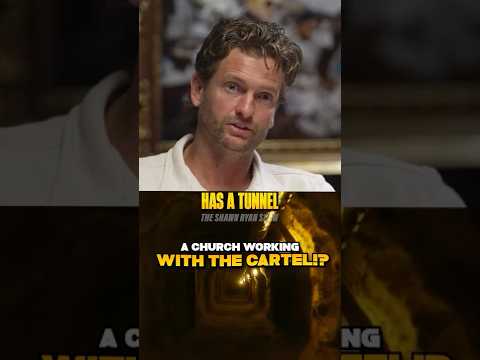
This video from the Shawn Ryan Show discusses a church in Arizona allegedly involved in illicit activities, including a secret tunnel to Mexico used for cartel operations. The discussion highlights how religious institutions can be exploited for criminal enterprises and touches on the psychological aspects of leadership within such organizations. The speaker, a former Navy SEAL and CIA contractor, critically examines institutional corruption and the potential for abuse of power within religious structures.
This video discusses the Supreme Court's ruling against Mexico's lawsuit targeting Smith & Wesson, arguing that the company is not responsible for cartel violence. The speaker highlights the significant smuggling of 5.56/.223 caliber ammunition into Mexico, evidenced by a large seizure of 120,000 rounds. The content emphasizes that the fault lies with individuals illegally purchasing and smuggling firearms and ammunition, rather than the manufacturers.
This video discusses the theft of $134,000 worth of firearms from a gun museum in Australia. The speaker highlights that despite strict gun laws in Australia, firearms remain a primary currency for organized crime. The stolen guns, ranging from the late 1800s to modern firearms, are believed to have entered the black market, increasing the armament of criminal elements while disarming law-abiding citizens.
This video discusses the Supreme Court's ruling against Mexico's lawsuit targeting firearms manufacturers like Smith & Wesson. The speaker argues that the court was correct in placing blame on individuals illegally purchasing firearms and ammunition for cartels, rather than the manufacturers. The transcript highlights the significant smuggling of 5.56/.223 caliber ammunition into Mexico, evidenced by a recent arrest involving a large stockpile.
Gun Laws by State
Read firearms regulations for all 50 states + D.C.
Find Gun Dealers
Search licensed FFL dealers near you.