John Lovell, drawing from his military experience, introduces the PACE plan (Primary, Alternate, Contingency, Emergency) as a vital strategy for preparedness in various aspects of life. He emphasizes moving beyond 'hope as a course of action' by proactively building backup plans for communications, home defense, finances, and essential resources like water and food. Lovell advocates for a gradual, purpose-driven approach to developing these plans over time, rather than succumbing to fear or paranoia, highlighting its value in maintaining security and resilience.
This video details how to establish a Civilian Tactical Operations Center (TOC) to enhance coordination and response capabilities within a group or community during crises. It emphasizes building a 'brain' for your organization by pre-planning team roles, assets, communication plans, and mission execution. The presenter advocates for using tools like the ATO app to centralize information, track personnel and resources geospatially, and streamline mission planning and execution, highlighting that organization is key to effective response when pressure mounts.
This video provides a comprehensive guide for prepared civilians to understand essential military jargon, crucial for effective communication in high-stress scenarios and for better interaction with veterans. It breaks down terms related to gear, operations, planning, security, intelligence, medical emergencies, and communication. The instruction emphasizes the practical application of these terms for civilian preparedness, drawing on the expertise of individuals with military service backgrounds.
This guide, presented with high authority by Dirty Civilian, details the establishment of Observation Posts (OPs) and hasty hide sites for civilian reconnaissance and defense. It covers tactical principles, historical context, urban adaptation, hide construction using the '5 S's', camouflage techniques, and essential communication/reporting plans like PACE and GOTWA. The instruction emphasizes intelligence gathering as a primary defensive action.
This video provides a beginner's crash course on tactical radios and communication systems, emphasizing the importance of planning and understanding different equipment types. It breaks down various radio classes, including FRS/GMRS, amateur radios, mesh devices, and advanced systems like Radio over IP and MANETs. The content guides viewers on selecting appropriate equipment based on purpose, range, budget, and training needs, highlighting the significance of understanding VHF, UHF, and HF frequencies for effective communication.
This video emphasizes the critical importance of synchronized preparedness and defense planning between partners. Key takeaways include standardizing weapon systems, ammunition, and gear for interoperability and muscle memory, establishing clear communication protocols and rally points, and regularly testing home defense and bug-out plans. The instructors stress that consistency in equipment and having pre-established plans are vital for effective response during emergencies, advocating for open communication about potential threats and partner capabilities.
This video provides an expert-level breakdown of a 'fighting loadout' for short-duration patrols, presented by Adam from Spiritus Systems. It details the configuration of a patrol rifle, helmet, apparel, and a modified TAPS chest rig, emphasizing practical gear choices and layering for operational effectiveness. The instruction highlights essential tools for communication, navigation, and survivability in a tactical environment.
This video provides an expert-level overview of affordable satellite communication options for civilians, presented by Isaac Botkin of T.REX ARMS. It emphasizes the importance of redundant communication plans, like the PACE method, for emergency preparedness. The guide details comparisons between the Motorola Defy Satellite Link and Garmin inReach devices, highlighting their features, performance in field tests, and subscription models. Future satellite technologies like Starlink are also discussed.
This episode of the Dangerous Liberty podcast covers a range of topics from recent tactical training courses to new product releases and industry commentary. Key discussions include the MPA Ultralight Hunter rifle in 6.5 PRC, the effectiveness of MPA muzzle brakes, and recommendations for AR-15 optic mounts from Midwest Industries. The hosts also touch on survival gear, the importance of PACE plans for hunting, and broader issues regarding American manufacturing and firearm regulations.
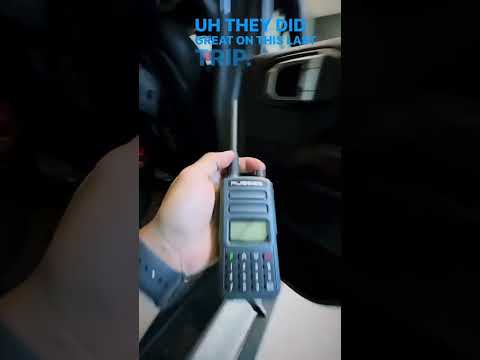
This video highlights the importance of incorporating a GMRS radio into a communication strategy, often referred to as PACE (Primary, Alternate, Contingency, Emergency). It introduces the General Mobile Radio Service (GMRS) as a licensed radio service utilizing frequencies around 462 MHz and 467 MHz for short-distance, two-way voice communication via handhelds, mobiles, and repeaters. The Rugged Radios GMR45 is showcased as a versatile unit compatible with FRS channels and GMRS, featuring vehicle-specific mounts. Additionally, the GMR2 handhelds are presented as a practical solution for keeping individuals connected when away from a vehicle or basecamp, offering USB charging capabilities. The video encourages viewers to follow Rugged Radios for their mobility communication needs.
This guide synthesizes Mike Glover's 'Pillars of Preparedness' framework, emphasizing EDC as a crucial pillar. It details firearm recommendations (HK P7, Glock 19) for security, carry methods like appendix carry, and the critical importance of medical gear (CAT Gen 7 tourniquet). The guide also touches on communication and navigation tools, stressing a practical, integrated approach to personal preparedness based on real-world experience.
You've reached the end! 11 videos loaded.
Gun Laws by State
Read firearms regulations for all 50 states + D.C.
Find Gun Dealers
Search licensed FFL dealers near you.