This Q&A delves into British small arms of WWII, explaining design choices like the Sten's single-feed magazine and the rationale behind not adopting the Owen Gun. It contrasts the Bren with the Soviet DP, discusses the PIAT's regulatory history, and explores the reasons for Britain's delayed assault rifle development, focusing on doctrine and existing infrastructure.
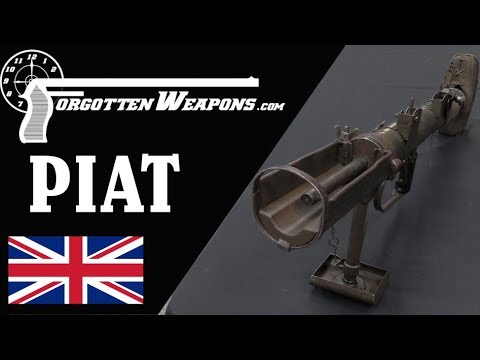
This video details the British PIAT (Projectile Infantry Anti-Tank) weapon from World War II. It explains the PIAT's development as a replacement for the Boys Anti-Tank Rifle, its unique mortar-like round with a shaped charge, and its operational mechanics. The presenter demonstrates the loading and firing process, highlighting its effectiveness against armor up to 3-4 inches and its dual role as an anti-tank weapon and a mortar for indirect fire up to 300 yards.
This D-Day 80th Anniversary special features firearms expert Jonathan Ferguson discussing iconic WWII weapons. Key insights include the Vickers K Gun's adaptability, the PIAT's spigot mortar mechanism, the MG 42's legendary rate of fire, the Sexton SPG's role in 'run-in shoots', and the 17-Pounder's anti-tank prowess. Naval bombardment from HMS Belfast is also highlighted for its effectiveness in silencing shore defenses.
This video provides an in-depth analysis of the Projector, Infantry, Anti-Tank (PIAT) weapon system, exploring its design, development, and effectiveness during World War II. Speaker David Lister, a specialist in WWII anti-tank weaponry, details the PIAT's spigot mechanism, its comparison to contemporary weapons like the Bazooka and Panzerfaust, and debunks common myths surrounding its use. The presentation highlights the weapon's role in infantry platoons and its historical significance.
This video from Forgotten Weapons reviews the final prices from the December 2017 Rock Island Premier Auction. Expert Ian McCollum details a variety of rare and unique firearms, including custom pistols by John Martz, historical military arms, and unusual curiosities. The auction showcased significant market interest in collectible firearms, with prices ranging from under $2,000 to over $34,000 for exceptional pieces.
This guide details the operational technique for the PIAT anti-tank weapon, as demonstrated by Ian McCollum of Forgotten Weapons. It covers the unique spigot mortar mechanism, the strenuous cocking procedure, projectile loading, and firing. The PIAT's design allowed for a large projectile without a heavy barrel, and its lack of backblast offered tactical advantages.
You've reached the end! 6 videos loaded.
Gun Laws by State
Read firearms regulations for all 50 states + D.C.
Find Gun Dealers
Search licensed FFL dealers near you.