This video details a humorous incident where a former law enforcement officer recounts accidentally leaving his police radio at a gang house during a search warrant operation. The situation escalates when a woman at the house begins using the radio to troll the officer and disrupt dispatch. The narrative highlights the importance of equipment accountability in high-stress situations and the camaraderie among officers through playful pranks.
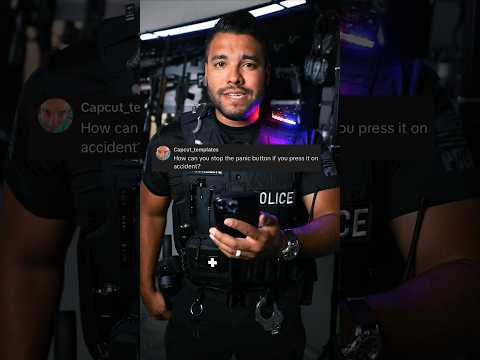
This guide details the protocol for law enforcement officers when accidentally activating the emergency button on their Motorola APX Series radio or shoulder microphone. As explained by Johnny Q, immediate communication with dispatch is crucial to confirm there is no actual emergency and that the officer is safe, preventing unnecessary response. The video highlights the dual-location emergency button on both the radio and mic.
This guide, presented by J. Quirarte, a law enforcement officer, details the correct procedure for canceling an accidental panic alarm on a police radio. It emphasizes the importance of clear and immediate communication to prevent unnecessary emergency responses. The method involves stating the officer's call sign followed by the word 'accidental' to reassure dispatch.
This video explains the common practice of police officers tucking their hands into their tactical vests. Speaker J. Quirarte, a police officer, demonstrates various hand positions and explains that the primary reason is comfort, providing a more natural resting place for the arms when wearing heavy gear. The video highlights the practical considerations of daily police work and gear management.
You've reached the end! 4 videos loaded.
Gun Laws by State
Read firearms regulations for all 50 states + D.C.
Find Gun Dealers
Search licensed FFL dealers near you.