This video from Shawn Ryan Show demonstrates the capabilities of the Flipper Zero, a versatile gadget. While often portrayed as an instant hacking tool on social media, the Flipper Zero requires proper setup and has specific applications. Expert instruction highlights its ability to interact with RFID/NFC systems, including hotel key cards, access control doors, and credit cards, while also cautioning against misconceptions about its out-of-the-box functionality.
This guide details the use of SLNT Faraday bags for managing electronic signatures and enhancing digital security, as presented by GBRS Group. It covers the application of various SLNT products, including backpacks, fanny packs, phone bags, and laptop sleeves, emphasizing their role in blocking electronic signals. The information is presented with a security-conscious and professional tone, drawing on expertise in tactical gear and personal security.
This guide explains how to protect personal information while traveling using Faraday bags and sleeves. It highlights the risks of electronic device hacking and data collection, emphasizing the use of Faraday technology to block all signals. The video demonstrates various Faraday products, including backpacks and fanny packs, and explains their importance for maintaining privacy and security in various environments.
This guide, presented by Jason Hanson, details how to acquire and prepare a burner phone for enhanced privacy. It emphasizes purchasing a prepaid flip phone from common retailers, avoiding email association during activation, and using cash for all transactions to maintain anonymity.
This entry focuses on proactive personal security measures, specifically addressing webcam hacking. It highlights the importance of recognizing indicators of compromise and implementing simple, effective countermeasures. Instruction is provided by Jason Hanson, who leverages his expertise in intelligence agency tactics to offer practical advice on protecting digital privacy.
This guide, presented by former CIA officer Jason Hanson, details how to acquire and use a 'burner' phone for enhanced privacy. It emphasizes minimizing digital footprints by using prepaid flip phones and Faraday bags for sensitive situations. Hanson, with his high authority level, provides actionable steps to avoid digital tracking by corporations and government agencies.
This episode of 3 of 7 Project delves into the rapid expansion of AI data centers, exploring their significant environmental and infrastructural impacts, including massive water and electricity consumption. It also addresses community effects, financing, and government involvement. The discussion covers technical and social risks like job displacement, privacy concerns, deepfakes, smart cities, moral outsourcing, and the potential for technological singularity. The hosts connect these developments to biblical prophecies found in Revelation and Daniel, touching upon themes of deception and end-times scenarios, blending reporting, theological reflection, and practical considerations.
This video, presented by former CIA officer Jason Hanson, focuses on the UP Phone and its advanced privacy features. It highlights how the UP Phone's Unplugged OS strips out Google Mobile Services, significantly reducing data tracking compared to mainstream devices like the iPhone 16 Pro and Galaxy S25. Independent testing by Raxis confirmed the UP Phone's superior privacy stance, showing zero third-party DNS requests.
Alaska Prepper discusses the implementation of a new AI-driven digital ID and payment system in Alaska, dubbed 'myAlaska'. The system integrates over 300 government services, utilizes tokenized payments, and employs biometric authentication like facial and fingerprint scanning. The speaker expresses significant concern over data privacy, potential government overreach, and the global trend towards constant digital identification, urging viewers to prepare for increased surveillance.
This video uses a meme format to satirize the ATF's perceived persistence in tracking individuals. It humorously depicts the ATF as an overzealous entity, using a scene from the movie 'Luca' to illustrate a scenario where someone seeking privacy is still pursued. The meme highlights a common sentiment regarding government agency overreach.
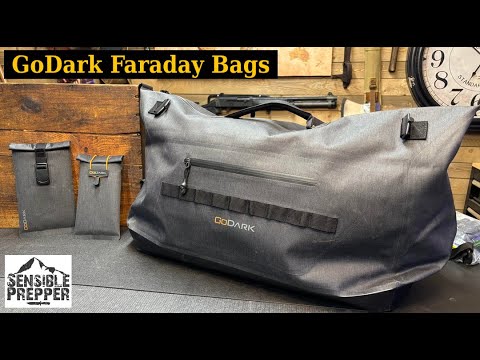
This video from SensiblePrepper provides an in-depth review and field test of GoDark Faraday bags, focusing on their ability to block electronic signals and protect devices from EMPs. The expert demonstrates the effectiveness of the phone case, MAS series, and duffel bag against GPS tracking, cellular signals, and Bluetooth, referencing military standards for EMP shielding. The review highlights the practical applications for privacy and preparedness.
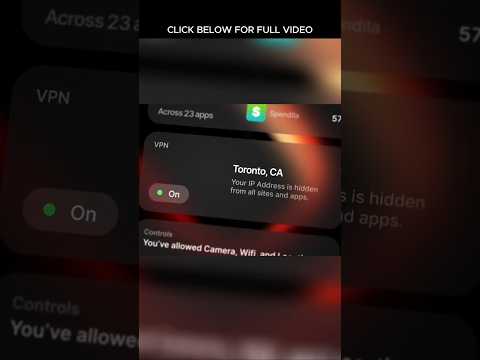
Jason Hanson, a high-authority security expert, explains the critical need for a built-in VPN on smartphones, especially when using public Wi-Fi. He highlights the risks of data interception on networks like Starbucks or Delta Airlines and emphasizes the 'Unplugged' phone's privacy-centric hardware and no-logging policy as a solution against hacking and data snooping.
Gun Laws by State
Read firearms regulations for all 50 states + D.C.
Find Gun Dealers
Search licensed FFL dealers near you.