This guide outlines considerations for using deadly force to protect property, based on a Houston incident and Texas law. It emphasizes assessing the imminence of the threat, the necessity of deadly force, and potential risks, aligning with Texas Penal Code 9.41. The advice stresses that legal justification does not equate to moral justification and encourages understanding the law before acting.
This video analyzes a robbery incident where a clerk successfully defended themselves against an armed assailant. Hosts John Correia and Stephannie Weidner discuss the legalities of self-defense, the distinction between force and deadly force, and the effectiveness of non-lethal options like pepper spray. They also emphasize the importance of physical fitness and empty-handed combat skills in self-defense scenarios.
Colion Noir, identified as an expert with legal background, analyzes a Texas incident where a man fired at a laptop thief outside Starbucks. The video highlights the legal complexities and risks associated with using deadly force for property protection under Texas Penal Code § 9.42, emphasizing the critical need for legal defense services like USCCA.
This video from Active Self Protection discusses a car owner's response to a thief attempting to steal his vehicle. The owner used an RC car controller to strike the thief, successfully deterring the theft. The discussion emphasizes the legal and ethical considerations of using force to protect property, highlighting that while proportionate force is permissible, deadly force is generally not justified solely for property defense. The importance of securing vehicles and the potential legal ramifications for the defender are also explored.
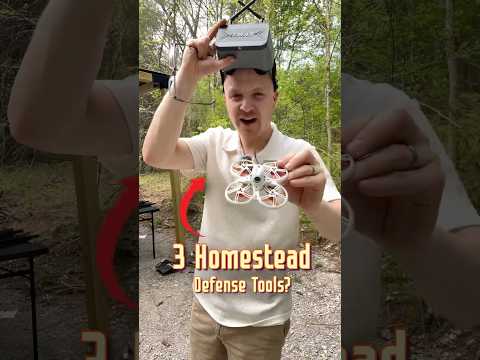
This video focuses on homestead defense strategies, offering practical advice and methods for securing one's property. While specific firearms or calibers aren't detailed in the title or description, the core theme revolves around personal and property security, implying the use of defensive tools and techniques. The content aims to educate viewers on proactive measures to safeguard their homestead.
This video discusses the legal parameters for using deadly force in self-defense, specifically addressing scenarios involving Tesla owners facing harassment. It clarifies that deadly force is permissible only when there is an imminent fear of death or great bodily harm, or to prevent a forcible felony. The 'castle doctrine' offers a presumption of fear if someone forcibly enters your vehicle, but not for mere property damage.
This video focuses on a product designed to deter intruders, highlighting its effectiveness through a suggestive title. While the specific product isn't detailed, the implication is that it's a home security measure that criminals would avoid. The content likely explores deterrents and home protection strategies, aiming to inform viewers about ways to enhance their home's security and discourage unwanted entry.
The video strongly advocates against using deadly force to protect property, emphasizing that human life is irreplaceable. While acknowledging that some states permit force for property protection, it highlights strict legal conditions, often requiring a perceived physical threat. The speaker advises prioritizing de-escalation and calling law enforcement, but also asserts the right to verbally confront a perpetrator and defend oneself if the situation escalates to a physical threat.
Colion Noir, an expert in firearms law, breaks down the legality of using lethal force in self-defense scenarios, specifically contrasting California and Texas laws. He emphasizes that in California, lethal force is generally not permissible for property protection alone, requiring an imminent threat to life or great bodily harm. The video also touches on the incident of a British band being robbed in California and discusses the importance of self-defense legal insurance like USCCA.
This video from Active Self Protection analyzes a unique self-defense incident in Belo Horizonte, Brazil, where a katana was used to deter bike thieves. While the incident highlights property defense, it also prompts a discussion on the legalities and risks associated with using less conventional weapons compared to firearms. The video also features a promotion for Mantis training systems, emphasizing their utility in skill development.
This video, presented by The VSO Gun Channel, offers practical advice on preventing theft and looting, particularly in the aftermath of disasters. It emphasizes layered security, including making a property appear occupied, advertising security systems, and fostering community relationships. The instructor also stresses the importance of professional firearm training beyond basic permit courses for effective self-defense.
This video focuses on a '24/7 Live Monitoring System.' While the title and description do not explicitly mention firearms, the nature of such systems often relates to security and surveillance, which can be relevant to firearms owners for home defense or property protection. The tags will reflect potential applications of such a system in a firearms-related context, assuming a user interested in security might also be involved with firearms.
Gun Laws by State
Read firearms regulations for all 50 states + D.C.
Find Gun Dealers
Search licensed FFL dealers near you.