This video analyzes Tennessee Senate Bill 1847, which proposes a significant expansion of the right to use lethal force in self-defense, specifically for the protection of property. The bill, if enacted, would amend Tennessee Annotated Code Section 39-11-614, allowing deadly force to prevent or terminate trespass, arson, property damage, burglary, theft, robbery, or aggravated cruelty to animals under certain conditions. The speaker, William Kirk of Washington Gun Law, discusses the implications and poses questions about the appropriateness of such expanded rights.
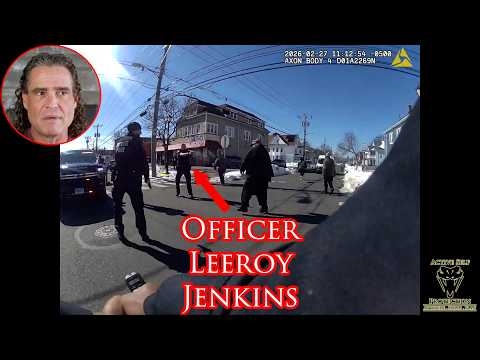
This video analyzes a critical incident where a Hartford, Connecticut police officer was terminated after responding to a mental health crisis involving a knife. The analysis highlights the importance of de-escalation, experienced officers' tactical advantages, and the pitfalls of a less experienced officer prematurely escalating a situation. It emphasizes that while the officer's actions might be criminally justifiable in a vacuum, his decision-making and probationary status led to his termination.
This video emphasizes the significant risks associated with carrying a firearm for self-defense, urging individuals to deeply consider the potential consequences beyond the act of defense itself. It highlights the possibility of unintended harm to bystanders, severe legal repercussions including civil suits and imprisonment, and the profound personal and familial impact of using deadly force, even when justified.
This video discusses the legal justifications for using deadly force, emphasizing that initiating or engaging in a physical confrontation can negate self-defense claims. It highlights the importance of de-escalation and the legal advantage of fleeing a threat when possible, even when armed.
This video analyzes bodycam footage of a Chicago Police officer involved shooting. It highlights critical tactical errors such as entering a fatal funnel, improper firearm retention, and potential lack of training in high-stress situations. The analysis emphasizes the importance of situational awareness and proper tactical decision-making for officer safety.
This video from Armed Attorneys discusses the legal justifications for using force during a home invasion scenario. It breaks down the escalating threat posed by an intruder, from initial trespassing to forceful entry, and analyzes the appropriate level of force, including deadly force, that a homeowner may legally employ under various circumstances, referencing concepts like the Castle Doctrine.
This video analyzes a self-defense incident where a clerk successfully defended himself against an armed robber. It highlights the importance of situational awareness, the risks of staged firearms, and the legal justification for using deadly force. The analysis emphasizes that while the clerk won the fight, luck played a significant role due to factors like the firearm's placement and the robber's actions.
This video analyzes a home invasion incident where an intruder, identifying as 'Harry Dresden,' demanded entry and threatened the homeowner. The analysis focuses on the legal ramifications of using deadly force, particularly the distinction between threats outside the home versus an intruder breaching the domicile. It emphasizes that while self-defense is permissible, the legal justification hinges on the imminence and nature of the threat, with crossing the threshold of the home significantly altering the legal landscape. The video also touches on the importance of preparedness and the potential legal aftermath of using a firearm in self-defense.
This video from Armed Attorneys discusses legal ramifications of using firearms and other weapons in self-defense scenarios. It clarifies that firearms are always considered deadly weapons under Texas law, even when firing blanks, and can lead to charges like aggravated assault with a deadly weapon. The discussion also covers the strategic importance and potential pitfalls of making a brief 'scene statement' to law enforcement immediately after an incident, emphasizing the need for legal counsel. Additionally, the video touches on the use of non-firearm weapons like tactical tomahawks and the complexities of rendering aid after a self-defense engagement.
This video analyzes a pharmacy robbery in Brazil where the clerk used a chair as an environmental weapon to deter an armed assailant. It emphasizes the importance of situational awareness in transitional spaces and the tactical considerations when facing a knife threat versus a firearm. The analysis highlights the effectiveness of improvised weapons when no other options are available, while also cautioning against pursuing fleeing suspects.
This video discusses the legal complexities and potential dangers of acting as a Good Samaritan, particularly when encountering a staged emergency. It highlights the critical need for careful threat assessment and understanding reasonable fear for one's life or serious bodily injury when considering the use of force, even in a self-defense situation.
This video analyzes a self-defense incident at a protest where an armed individual was shot by security, leading to a bystander's death. It emphasizes accountability for every bullet fired, the critical importance of firearm training, and the legal consequences of negligent discharge. The analysis highlights how assembling a firearm in public, even if legal, can be perceived as alarming and lead to dangerous escalations. It stresses the need for shooters to have the skill to guarantee hits and consider backstops to avoid collateral damage, especially in crowded environments.
Gun Laws by State
Read firearms regulations for all 50 states + D.C.
Find Gun Dealers
Search licensed FFL dealers near you.