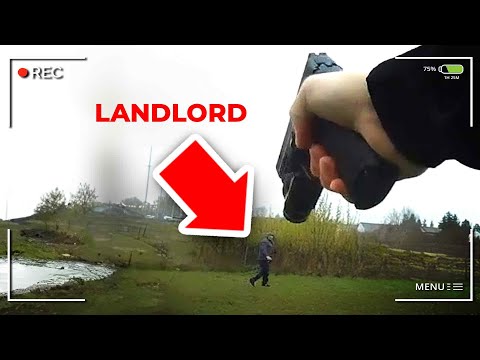
This video from Armed Attorneys discusses the legal justifications for using force during a home invasion scenario. It breaks down the escalating threat posed by an intruder, from initial trespassing to forceful entry, and analyzes the appropriate level of force, including deadly force, that a homeowner may legally employ under various circumstances, referencing concepts like the Castle Doctrine.
This analysis from Active Self Protection breaks down three real-world confrontations, offering insights into de-escalation, the use of force, and legal considerations. Instructors John Korea and Neil Widner emphasize recognizing pre-assault indicators, the effectiveness of less-lethal options like OC spray, and the critical importance of acting decisively and legally when faced with threats. The video highlights the severe consequences of escalating situations, particularly road rage, and the legal scrutiny surrounding the use of lethal force.
This video, analyzed by Colion Noir, details a confrontation between a property owner and ATV trespassers. It highlights the importance of context, showing how initial perceptions of an incident can change with evidence of repeated criminal behavior. Noir's analysis emphasizes the legal and tactical considerations when defending private property against intentional trespassers.
Colion Noir analyzes a viral incident where a landowner confronted ATV trespassers. He emphasizes that repeated trespassing, especially with property damage, escalates the situation and justifies a strong response. The video highlights the importance of understanding property rights in rural areas and the legal protections available, such as through USCCA, for self-defense scenarios that extend beyond the immediate confrontation.
This video discusses a legal case where a Colorado man, Brent Mets, is accused of shooting a 17-year-old. His defense claims the Sig Sauer P320 discharged accidentally while being holstered, not due to intentional action. The case highlights legal nuances regarding the use of deadly force for property defense in Colorado and the controversial history of the Sig P320's alleged accidental discharges.
This short video presents a commentary on the alleged theft of campaign signs, featuring Nikko Ortiz reacting to a woman removing 'Trump Vance 2024' signs. The speaker suggests a physical intervention as a justified response, highlighting themes of property defense and political commentary within a satirical context.
This video discusses the complex issue of gun-free zone signs, emphasizing that while property owners have rights to dictate terms on their private property, the legal ramifications of carrying a firearm in such zones can vary. The speaker, identifying as a gun owner rather than a legal expert, suggests that in private businesses, ignoring a gun-free zone sign might lead to trespassing charges rather than criminal charges for carrying the firearm itself. However, in government buildings, carrying a firearm where prohibited is explicitly against the law. The video highlights the importance of common sense and situational awareness, suggesting concealed carry as a preferred method to avoid unwanted attention and potential conflict.
This video from Active Self Protection analyzes two encounters where a security guard effectively uses OC spray. It highlights the importance of OC spray as a problem-solver, especially for those carrying firearms. The analysis emphasizes understanding context, pre-attack indicators, and the legal justification for using OC spray when faced with the risk of bodily injury.
This video details incidents of trespassing and poaching on private properties, highlighting the legal and ethical implications for landowners and hunters. It emphasizes the importance of property rights, wildlife conservation, and the role of technology like surveillance cameras in deterring illegal activities. The narrative also touches upon the emotional toll these events can have, particularly on children, and the need for community education regarding land ownership and hunting regulations.
This video highlights the closure of a popular unmonitored shooting range in Hale, Michigan, due to irresponsible behavior by some gun owners. The speaker, a firearms enthusiast, details how littering and leaving trash led to the range being locked and declared a trespassing zone. The closure serves as a stark warning about the consequences of poor range etiquette and the impact on the broader firearms community's access to shooting facilities.
This video from Active Self Protection, analyzed by John Correia, details a self-defense incident where an individual named Tyler disarms an intoxicated woman. The analysis covers the legal rights of self-defense against trespassers, critiques the use of stun guns, and emphasizes safe firearm handling post-disarm. Tyler's actions, including retrieving his own Glock 19 for protection, are discussed in the context of maintaining safety while awaiting law enforcement.
This video from Hegshot87 provides an in-depth look at the legal nuances of carrying firearms in areas with 'No Firearms' signage, specifically focusing on South Carolina law. The presenter, Howard, an experienced firearms commentator, explains the specific requirements for signage to be legally binding and the potential consequences of non-compliance, including fines and permit revocation. He also discusses the effectiveness of gun-free zones and federal property restrictions.
Gun Laws by State
Read firearms regulations for all 50 states + D.C.
Find Gun Dealers
Search licensed FFL dealers near you.