This video analyzes a critical incident where a Hartford, Connecticut police officer was terminated after responding to a mental health crisis involving a knife. The analysis highlights the importance of de-escalation, experienced officers' tactical advantages, and the pitfalls of a less experienced officer prematurely escalating a situation. It emphasizes that while the officer's actions might be criminally justifiable in a vacuum, his decision-making and probationary status led to his termination.
This video from Active Self Protection analyzes a dangerous situation in an Australian shopping mall where a knife-wielding woman was disarmed by shoppers. The hosts, John Correa and Stephanie Weidner, commend the bystanders for their coordinated and effective response, emphasizing de-escalation, maintaining distance, and acting as a group. They discuss the nuances of self-defense in a mental health crisis, the effectiveness of improvised weapons, and the importance of community intervention, highlighting that while lethal force might be justified, non-lethal intervention was the optimal choice in this scenario.
This video analyzes a Yuma Police Department response to a volatile individual threatening neighbors with knives. Officers demonstrated excellent de-escalation techniques, maintaining distance, and attempting verbal communication. The analysis highlights the importance of discretionary time, tactical positioning, and the appropriate use of non-lethal force options like tasers, while also discussing the justification for lethal force when a deadly threat is imminent. The officers' professionalism and adherence to training in a high-stress situation are commended.
This video analyzes a critical incident involving San Diego Sheriff's Deputies facing an armed and agitated suspect. The analysis, presented with high authority by Active Self Protection, details the progression from de-escalation attempts to the use of deadly force when faced with an immediate threat. It highlights the importance of tactical positioning, command climate, and the deputies' bravery in protecting the public.
This entry details the disturbing tactics of the '764' internet cult, as discussed by Shawn Ryan. The cult targets vulnerable individuals, like a 25-year-old suffering from depression, using female recruiters who are often victims themselves. The group escalates to daring victims to self-harm, culminating in a live-streamed event where a victim set himself on fire on a Discord call with other members watching and mocking. Shawn Ryan, a former Navy SEAL/CIA contractor, provides a high-authority perspective on this extreme cruelty and lack of boundaries.
This video discusses a critical incident where an off-duty Harris County Sheriff's deputy was forced to use deadly force to protect his child from an individual attempting to enter his vehicle. The narrative highlights the immediate threat to the child and the deputy's actions, including issuing commands before firing. It also touches upon the assailant's documented mental health struggles, raising questions about parental responsibility and the complexities of self-defense scenarios involving individuals with mental health conditions.
This video analyzes a critical incident where an off-duty Harris County Sheriff's deputy used his firearm to protect his infant son from an attacker. Speaker Colion Noir provides an expert perspective on the psychological and tactical considerations involved in such high-stress defensive encounters, emphasizing the 'protection mode' parents enter and the complex realities often oversimplified by media reporting. The discussion also touches on the importance of preparedness and the responsibilities of gun ownership.
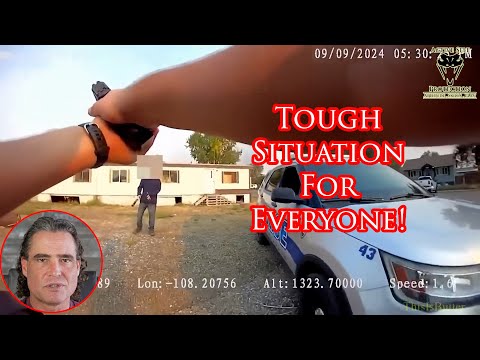
This video analyzes a critical incident where Wyoming officers responded to a man wielding a baseball bat. The analysis, led by experts John Correia and Mike Willever, breaks down the tactical decisions, human performance factors, and the effectiveness of less-lethal options. It highlights the challenges officers face in de-escalation and the unfortunate necessity of deadly force in certain high-stress encounters.
This video critiques the prevailing gun control narrative following a Catholic school shooting, arguing that new information about the shooter's age and legal firearm acquisition undermines common arguments. It highlights inconsistencies in age-based firearm restrictions, compares violent crime statistics across age demographics, and advocates for enhanced school security over broad gun bans. The speaker also touches on the shooter's identity not fitting typical profiles and the broader mental health issues within certain communities.
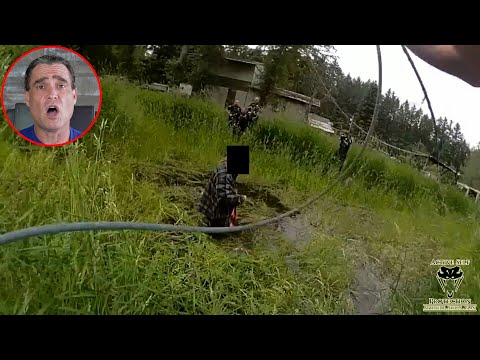
This video details a unique law enforcement response to a man wielding a chainsaw and threatening his parents. Deputies from Pierce County, Washington, successfully de-escalated the situation by using a bean bag shotgun and a lasso to apprehend the suspect, who had retreated into a pond. The incident highlights creative problem-solving and a focus on mental health care over criminal charges.
This video details a self-defense incident involving a licensed private security guard, Eric Salisbury, who shot an attacker, Emanuel Garza, outside an Oregon preschool. The incident highlights the complexities of self-defense, especially when mental health is a factor, and the legal scrutiny that follows such events. The narrative contrasts the security guard's actions, deemed lawful self-defense by authorities, with the attacker's family's claims of excessive force and misinterpretation of events.
Gun Laws by State
Read firearms regulations for all 50 states + D.C.
Find Gun Dealers
Search licensed FFL dealers near you.