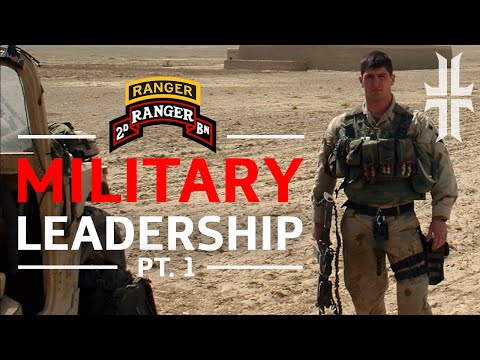
John Lovell, founder of Warrior Poet Society and former Army Ranger, shares his journey into military service. He initially aspired to be a Navy SEAL but ultimately chose the Army Rangers, humorously noting the irony of suffering hypothermia in his first week of Ranger training despite trying to avoid water.
John Lovell recounts a humorous anecdote about receiving an Article 15 in the military for possessing a .22 Magnum mini-revolver in his barracks. He highlights the disciplinary action taken against him as a young Ranger. Lovell also touches on the limited practical utility and low resale value of such a firearm, jokingly pricing it at around ten dollars.
Larry Vickers, a retired US Army SFOD Delta operator, details his extensive career, from childhood influences and joining the Army to his experiences in Special Forces and Delta Force. He discusses the evolution of tactical firearms, including his involvement with the HK416, and reflects on the demanding selection processes and operational realities he faced. The interview highlights his journey through various elite units and his perspective on military service and firearms development.
This entry details the extreme challenges of Army Ranger Indoctrination Program (RIP) as explained by a former Special Operations Operator. The primary difficulty identified is maintaining hydration under intense instructor-imposed physical stress, often leading to heat casualties. The training's core purpose was to test a soldier's will to persevere, selecting those who would not quit for the Ranger Battalion.
Don Edwards, a Special Operations veteran and founder of Greenline Tactical, discusses his military career, including service in the Ranger Battalion and Special Forces. He details his transition to civilian training, focusing on Greenline's comprehensive Combat Carbine and Night Fighter courses, emphasizing foundational knowledge and practical application. The discussion highlights the evolution of firearms technology and training methodologies, particularly in night vision capabilities.
This video discusses the phrase "Back When It Was Hard" often heard in Ranger Battalion leadership. The creator posits that this phrase, when used about declining standards, can demotivate both leadership and those being led. The description also touches on gatekeeping, describing it as a potential "cry of the oppressed" or a "weapon of the resentful." The content explores cultural dynamics within a military context, using hashtags related to gatekeeping, a redacted term, culture, veterans, and Rangers.
This video discusses the concept of gatekeeping, particularly within military contexts and broader society. It argues that while arbitrary exclusion is wrong, maintaining high standards is crucial for the integrity of any group or achievement. The speaker uses personal anecdotes from Ranger Battalion to illustrate how lowered standards can devalue accomplishments and create resentment. The core message emphasizes inspiring individuals to meet standards through effort and discipline, rather than lowering standards for inclusivity.
This video features Scott Chapman, an author for The Havok Journal, discussing the humanization of individuals before, during, and after military conflict. The conversation delves into the disconnect between academic theory and the realities faced by soldiers, particularly concerning Rules of Engagement and the perception of soldiers as dehumanized automatons. Chapman, who served in Ranger Battalion before 9/11 and has over 20 years of experience, shares his insights from his writing and personal experiences.
This video features Drew Wallace, also known as 'The Ranger Cowboy,' discussing his unique style of shooting which combines horsemanship and marksmanship, drawing parallels to historical Western skills and modern Ranger Battalion training. The discussion explores the heritage of this fast-paced equestrian sport and its resurgence in contemporary gun culture. It highlights how traditional marksmanship skills, once integral to Americana, are finding new life in modern activities, suggesting a return to the concept of an armed populace.
This guide details how to tie the Bowline knot, a highly useful military knot, as demonstrated by John Lovell of Warrior Poet Society. The technique involves creating a loop, passing the working end through, around the standing part, and back through the loop, with an optional overhand knot for added security. The process is completed by cutting and searing the cord ends. Instruction is provided with high authority, referencing military experience.
This video by John Lovell of Warrior Poet Society discusses how to maintain Christian faith and values while serving in high-stress professions like the military, law enforcement, or EMS. Lovell, a former Army Ranger, emphasizes earning respect through job excellence, practicing spiritual disciplines, and building a supportive community, rather than being overtly preachy.
This guide synthesizes John Lovell's military leadership lessons from the Warrior Poet Society, detailing a three-phase approach: the Break Phase (testing toughness), the Rebuild Phase (mentorship and holistic development), and the Initiated Brother Phase (mutual respect and seamless teamwork). Lovell, a former Ranger Battalion member with combat experience in Afghanistan, emphasizes the critical importance of attention to detail and building a strong warrior culture.
You've reached the end! 12 videos loaded.
Gun Laws by State
Read firearms regulations for all 50 states + D.C.
Find Gun Dealers
Search licensed FFL dealers near you.