This video explores the fascinating intersection of satellite communication technology and outdoor communication challenges. The creator, inspired by a class from @mojave.repeater, delves into the principles of wavelength behavior to understand how to maintain a Starlink signal when it's obstructed. The description highlights the value of 'comms nerds' in demystifying complex technology for the average user and expresses gratitude to @austinjoemiller and @gridbasedotnet for their contributions to tech wisdom. The hashtag #dirtycivilian suggests a rugged, practical, and possibly off-grid application of this knowledge, hinting at the creator's persona.
This video demonstrates five methods for tactically deploying Starlink terminals in the field to minimize detection risk. Key strategies include limiting active use to short bursts, using terrain and camouflage for visual and thermal masking, and offsetting the user from the terminal with long cables. Various gear setups are shown, from minimalist Cordura wraps to specialized packs and thermal mitigation solutions, highlighting options for different operational needs and budgets.
This YouTube video focuses on setting up an off-grid internet solution using a 'Mini Starlink' system. The creator shares their personal setup and likely demonstrates the installation or configuration process. While the title mentions 'Mini Starlink', the specific details of the off-grid internet setup are not provided in the description. It's a practical guide for those seeking internet connectivity in remote or off-grid locations.
This review covers essential preparedness gear, including the Garmin 7X Sapphire Solar watch for its GPS and 50-lumen flashlight, the Starlink Mini with Starlink Battery for portable satellite internet, and The Wellness Company's Fill Kit for medical emergencies. It also features the Moto-Built antenna holder for vehicle integration. The focus is on practical application rather than shelf storage, emphasizing the importance of regularly updating and utilizing gear.
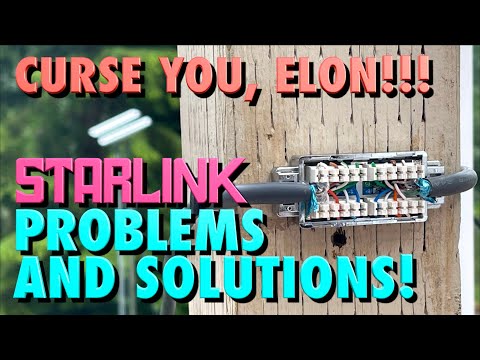
This video addresses issues with Starlink internet service, specifically focusing on problems encountered during cable splicing and installation. The creator explains their need to splice cables because they were not long enough for their intended installation spot, implying a workaround or modification to achieve a functional setup. The content likely involves practical troubleshooting and problem-solving for Starlink users.
The video discusses the speaker's temporary setup and ongoing installation of Starlink internet. He details the process of running cables, the resistance encountered with a makeshift splice, and the resulting internet speeds. The speaker also touches on the improved video quality and reduced latency compared to previous satellite internet, while acknowledging the need for permanent installation.
The video discusses the performance and installation of Starlink internet service, comparing it to traditional satellite internet. The speaker shares speed test results, latency figures, and details about improving signal strength through antenna placement and potential tower installation. This information is relevant for individuals seeking to understand the capabilities and limitations of Starlink for reliable internet access.
The speaker discusses internet service options, specifically Frontier DSL and satellite internet. He details the poor performance of his Frontier DSL, with only 1 Gbps down and 0.3 Gbps up, which causes fuzzy video broadcasts. He contrasts this with satellite internet, which offers better speeds but suffers from burst patterns and latency, making it unsuitable for live streaming. The speaker highlights the unreliability and potential deceptive practices of internet service providers.
You've reached the end! 8 videos loaded.
Gun Laws by State
Read firearms regulations for all 50 states + D.C.
Find Gun Dealers
Search licensed FFL dealers near you.