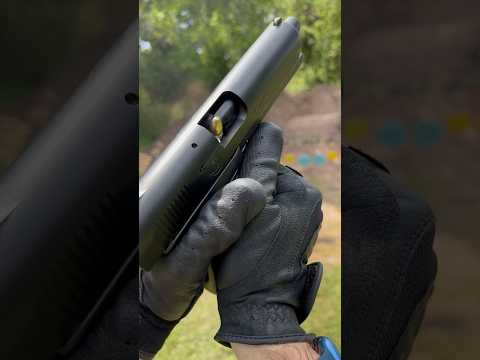
This video discusses why Glock pistols are the preferred choice for criminals, citing two primary reasons: their perceived tough-guy image and their high degree of modifiability, particularly with Glock switches. The speaker expresses concern over the image-driven motivation for violent crime but finds the modifiability aspect more logical, albeit for illicit purposes. The discussion also touches on the shift from unreliable firearms to more dependable options being used in criminal activity.
This video provides an expert-level ranking of 12 major firearm brands, from those with significant historical issues to those considered benchmarks for reliability and performance. The instructor, with years of experience and extensive shooting, details specific models and past controversies for brands like Taurus, Kel-Tec, Remington, Walther, Ruger, Springfield, CZ, FN, Sig Sauer, and Smith & Wesson, ultimately placing Glock at the top for its consistent functionality and widespread adoption. The assessment highlights common failure points, recalls, and the evolution of brands attempting to rebuild trust.
This video ranks firearm brands from worst to best based on reliability, durability, and historical performance. The speaker, Ted from Line 45, emphasizes brands that 'just work' and can be trusted with one's life, highlighting Glock as the top performer due to its consistent functionality and widespread adoption. Brands with significant recall history or quality control issues, like Taurus and Remington, are placed lower on the list.
The Yankee Marshal discusses the merits of the Kel-Tec P-32 versus the Raven Arms .25 ACP, strongly advising against purchasing either for practical use. He suggests they are only suitable for collecting 'shitty guns' or as decorative elements in custom furniture like an acrylic tabletop. The video also touches on various viewer questions regarding firearms and channel support.
This panel discussion covers a range of firearms-related topics, including personal carry gun histories, favorite military surplus firearms, preferences between CZ75 variants, and opinions on holster brands. The participants also delve into the concept of 'Saturday Night Specials,' discussing their historical context, perceived quality, and modern equivalents. The conversation touches on the effectiveness of different calibers and firearm types in extreme scenarios, like underwater defense against sharks, and explores the nuances of force reset triggers and their regulatory implications. The panel also discusses the cultural perception and reality of big game hunting and the socio-political climate in South Africa.
This video reviews eight "Saturday Night Special" firearms, characterized by their low cost and often unreliable construction, primarily using Zamak (pot metal). The presenter details the history and common issues of models from Raven Arms, Jennings, Bryco, RG Industries, Phoenix Arms, Davis Industries, Lorcin, and Jimenez Arms, highlighting their propensity for malfunctions and safety concerns.
The Yankee Marshal delves into the mystery of what .32 caliber firearm 'Bad, Bad Leroy Brown' carried, analyzing lyrical details and historical firearm availability. He dismisses common assumptions like Colt vest pocket guns and Walther PPKs, favoring a more stylish and period-appropriate revolver, specifically the Smith & Wesson Model 30, as the most likely candidate for a 'gun for fun' carried discreetly.
This video, presented by Ian McCollum, an expert in firearms history and regulation, details how companies have historically circumvented US firearm import laws, specifically focusing on the Taurus 856 revolver. McCollum explains the 'sporting purpose' clause of the 1968 Gun Control Act and how the IRS, before the ATF's creation, used barrel length restrictions to target 'Saturday Night Specials.' The video highlights a specific loophole where Taurus imported revolvers with 3-inch barrels and then domestically modified them to 2-inch barrels, with evidence of this process visible on the barrel crown. This expert analysis provides deep insight into the regulatory landscape and manufacturing workarounds in the firearms industry.
This video reviews the Derringer firearm for self-defense purposes. The instructor highlights its historical context, dating back to 1825, and its evolution into a compact "pocket pistol." After a hands-on evaluation, the presenter concludes that the Derringer is highly inaccurate, difficult to shoot effectively, and lacks the capacity and reliability needed for personal defense, advising against its use for such applications.
The term 'Saturday Night Special' refers to inexpensive, small-caliber, compact handguns often of poor quality. The Gun Control Act of 1968 significantly impacted their availability by prohibiting imports, leading to the rise of domestic manufacturers. The term itself has been associated with racial overtones, and discussions around firearm affordability highlight its impact on individuals of lesser means.
This video provides a hands-on review of the Lorcin L9MM, a circa 1994 "Saturday Night Special." The presenter, identified as a firearms enthusiast, demonstrates the firearm's operation at an outdoor range, highlighting its poor reliability with multiple malfunctions, including stovepipes. The review emphasizes the "World's Most Affordable Handguns" branding and the Zamak construction, offering insights into the historical context and performance expectations of such firearms.
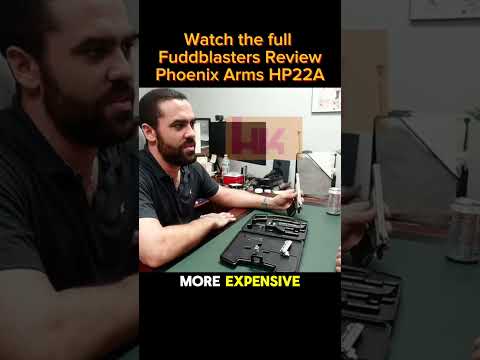
This YouTube Shorts video, titled "The Government doesn't like Cheap Guns/Saturday Night Specials (Part 2) - HP22A review #shorts", delves into the topic of budget-friendly firearms and potential government scrutiny surrounding them. The second part of a series, it focuses on a review of the HP22A model. The content likely touches upon the accessibility and legal aspects of less expensive handguns, contrasting them with potentially more regulated firearms.
Gun Laws by State
Read firearms regulations for all 50 states + D.C.
Find Gun Dealers
Search licensed FFL dealers near you.