The video emphasizes that personal preference should dictate firearm carry choices, not external justifications like perceived threats. The speaker advises against carrying a firearm that hinders daily activities or is too powerful to control effectively. The core message is to carry what you like, can shoot well, and that doesn't negatively impact your life.
This video analyzes a self-defense incident where a verbal dispute escalated to a firearm being drawn. The instructor emphasizes the critical importance of de-escalation, escape, and evasion for armed individuals. Drawing a firearm should only occur when immediate deadly force is necessary, as presenting a weapon without justification can lead to felony charges like assault with a deadly weapon. The video also highlights the tactical failure of using low-quality nylon holsters.
This video discusses Florida's Stand Your Ground laws through the lens of a specific case where a 79-year-old man was acquitted after shooting a neighbor trimming branches on his property. The speaker argues that the acquittal was justified due to the aggressor's threats with a chainsaw and violent criminal history. The discussion also touches on the nuances of when deadly force is permissible, emphasizing the need for a reasonable belief of danger, particularly in home defense scenarios.
This video addresses subscriber questions regarding Washington state firearms laws. Key topics include private business rights to search patrons, consequences of violating private firearm policies (trespassing vs. criminal charges), legal definitions and measurement of rifle barrel length for SBR classification, lawful transportation of firearms without a CPL, and the legal definition and exceptions for displaying a weapon (brandishing).
This video discusses the legal complexities surrounding self-defense, particularly in cases of mutual combat, using a stabbing incident in Cook County, IL as a case study. It emphasizes the importance of documented history, the presence of an escape route, and the immediacy of a threat when evaluating self-defense claims. The speaker highlights that legal outcomes depend on provable facts and the prosecution's case, not just what actually happened.
This analysis examines a self-defense incident in Miami Beach, Florida, where a man used deadly force against a car thief. The instructor argues that while the prosecutor correctly cited Florida's Stand Your Ground law, the justification for using deadly force stemmed from the imminent threat of death or great bodily harm posed by the vehicle itself, not solely from the theft. The video emphasizes the importance of understanding the nuances of self-defense laws and the potential consequences of escalating situations.
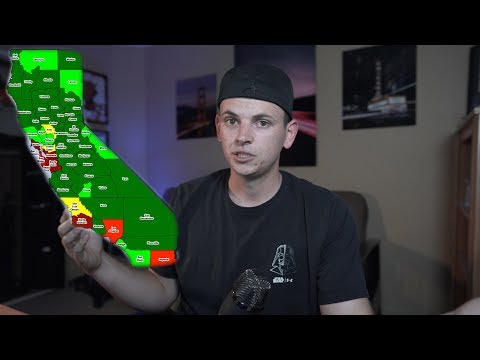
This video explains the 'good cause' requirements for obtaining a concealed carry weapon (CCW) permit in California, highlighting how county sheriff discretion significantly impacts eligibility. It details how different counties categorize 'good cause' from 'shall-issue' to 'no-issue' and emphasizes the importance of researching county-specific requirements and crafting a compelling justification, especially for those in 'wobbler' counties or with employment-related risks. The speaker notes recent shifts, like Los Angeles County becoming more accessible, while criticizing policies in other counties.
This video explains the 'good cause' requirement for obtaining a concealed carry permit (CCW) in California, emphasizing that requirements vary significantly by county and sheriff. It details how some counties have very strict requirements, while others, like Sonoma County under Sheriff Esick, have become more lenient, accepting self-defense or carrying valuables as valid reasons. The video recommends Calguns.net forums as a resource for researching specific county requirements and understanding community experiences.
You've reached the end! 8 videos loaded.
Gun Laws by State
Read firearms regulations for all 50 states + D.C.
Find Gun Dealers
Search licensed FFL dealers near you.