
Videos tagged with South Florida Hunting

John G. Johnson, a firearms instructor, details his scouting trip in South Florida's Zone A for the 2025 hunting season. He discusses optimal trail camera placement, the impact of hogs on the environment, and strategic hunting locations within pine forests and flat ponds. The video emphasizes understanding deer behavior and avoiding common mistakes like placing tree stands too close to access roads.

John G. Johnson, a firearms instructor, details his muzzleloader hunting experience in South Florida during the second weekend of the season. He discusses strategic positioning near game trails and edges, particularly focusing on areas with oak trees for acorns, which attract both deer and hogs. While opportunities arose for hogs and turkeys, the primary goal was deer hunting, with a .50 caliber muzzleloader prepared for potential shots.
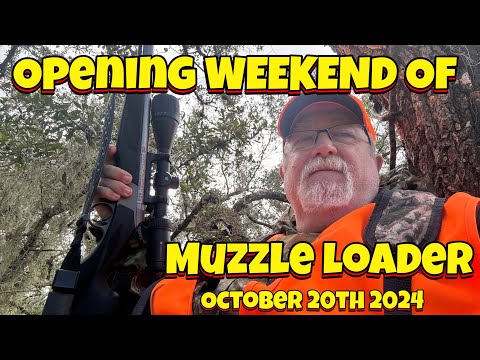
This video documents an all-day muzzleloader deer hunt in South Florida during the opening weekend of the season. The hunter, John G. Johnson, details his preparation, including checking weather conditions and sighting in his CVA muzzleloader. He spends the day in a ladder stand, observing deer activity and discussing hunting strategies, ultimately concluding that while no deer were harvested, the experience provided valuable insights into hunting conditions and patience.

This guide focuses on identifying key oak tree species in South Florida that serve as preferred food sources for white-tailed deer. The speaker, John G. Johnson, a firearms instructor and hunter, details the characteristics of White Oaks, Live Oaks, Water Oaks, Laurel Oaks, Turkey Oaks, and Sand Oaks, emphasizing their importance for deer hunting strategies. He advises on scouting techniques, recognizing deer activity signs, and utilizing trail cameras to locate and hunt around these crucial feed trees.

This video details an e-scouting strategy for finding whitetail deer spots in South Florida, focusing on identifying key habitat features and travel corridors. The instructor, John G. Johnson, emphasizes using mapping applications to locate "funnel areas" and "pinch points" where deer are likely to travel due to cover and ease of movement. He highlights specific terrain features like planted pines, cypress heads, and creek beds as prime locations for deer activity.
You've reached the end! 5 videos loaded.