This video explores the differences between IDPA and USPSA shooting competitions, with the presenter experimenting with USPSA stages using a Canik Rival SFX and a Glock 19X. The content focuses on understanding USPSA stage design, practicing the course of fire, analyzing shot placement (A, C, D zones), and calculating hit factors. The presenter highlights the 'run and gun' nature of USPSA compared to IDPA's stricter rules and discusses personal preferences for competition shooting styles.
This video documents the user's third USPSA competition at Route 66 Shooting Park, competing in the Open division with an M&P 2.0 ported pistol equipped with a magwell. The shooter discusses the cost of their setup compared to higher-end competition guns and highlights the event's atmosphere, including the presence of other notable shooters. The video showcases multiple stages of the competition, with the shooter providing post-stage analysis and debriefing their performance, including hit factors and areas for improvement, while also mentioning the challenging weather conditions.
This video details Stage 2 of the 'Dead Eye Versus' competition, known as 'John Henry's Revenge'. The stage involves a demanding sequence of physical exertion with a sledgehammer, precise firearm manipulation, and accurate target engagement under pressure. Key elements include starting in Condition Three, performing tire slams, engaging multiple target types, a critical single-shot high-value target engagement with a significant penalty for misses, and a final plate hit while holding the sledgehammer. Competitors must strategize reloads to minimize standing reloads and avoid time penalties.
This video details Day 2 of the Quantified Performance Championship match, focusing on the shooter's performance across various stages. The presenter breaks down each stage, highlighting personal pros and cons, including issues with stability, transitions, pre-stage planning, and target acquisition under pressure. The content emphasizes self-analysis and continuous improvement in competitive shooting, drawing parallels to emotional intelligence and personal growth.
This video details Day 1 of the Quantified Performance Match, offering insights from a participant's perspective. The instructor analyzes performance across eight stages, highlighting areas for improvement such as target transitions, position setup, and trigger control. Key takeaways include the importance of diagnosing misses, trusting ballistic data, and maintaining mental fortitude during competition.
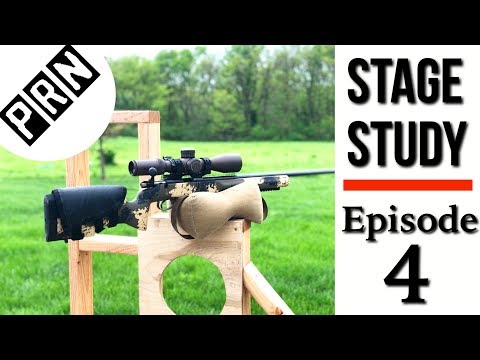
This YouTube video, titled "Stage Study Episode 4," features Joel performing a stage study where he runs three different shooting stages back-to-back. He is actively seeking viewer feedback on his performance, asking for comments on what he did wrong or right. The video aims to help viewers understand how to better navigate and execute barricade stages, a common element in precision rifle competitions. The Precision Rifle Network (PRN) promotes the video, highlighting its relevance for competitors, operators, and hunters, and encourages community engagement and support through Patreon. The description also mentions sponsorship and product review opportunities.
This video provides a deep dive into a USPSA match, analyzing specific stages and the competitor's performance. The analysis focuses on strategic decisions, technical execution of shooting and movement, and identifying areas for improvement. Key takeaways include optimizing position entries and exits, efficient target transitions, effective reloading, and the importance of practice for technical movement and shooting under pressure. The competitor highlights how PCC stages are being designed to challenge shooters and discusses the impact of minor errors on overall score.
This video provides an in-depth analysis of a USPSA Carry Optics match stage by stage. The instructor, a high-capacity shooter, discusses stage planning, execution, and lessons learned, focusing on transitions, reloads, and adapting to different shooting positions. Key takeaways include the importance of stage walkthroughs, efficient reloads, and developing confidence with dot sights for faster target acquisition and gear changes.
This video provides a breakdown and analysis of a USPSA match from the perspective of a competitor. The speaker, an experienced shooter, discusses their performance on various stages, highlighting areas for improvement in accuracy, reload speed, and target engagement. Key takeaways include the importance of accurate shooting on steel targets, efficient reloading techniques, and meticulous preparation of ammunition before a match.
This episode of the Practical Pistol Show features Ben Stoeger and Grandmaster shooter Nick Yanutoah discussing competitive shooting performance. They delve into the distinction between 'on-demand' performance and personal bests, emphasizing that improving personal bests through discrete skill development is crucial for raising match performance. The discussion also covers the minimal impact of sight radius on accuracy compared to sight width and strongly advises against shooting minor in Limited division due to the significant scoring disadvantage.
This YouTube video, titled 'Stage Breakdown,' offers insights into practical shooting training. The description directs viewers to the Practical Shooting Training Group (PSTG) website for in-person classes and digital coaching. It also provides links to Ben Stoeger's books on Amazon and the PSTG podcast. While no specific firearm models or calibers are mentioned, the content likely focuses on competitive shooting stages, training techniques, and skill development in marksmanship.
You've reached the end! 11 videos loaded.
Gun Laws by State
Read firearms regulations for all 50 states + D.C.
Find Gun Dealers
Search licensed FFL dealers near you.