This video discusses a proposed bill from the Senate Finance Committee that aims to remove suppressors, short-barrel rifles (SBRs), and short-barrel shotguns (SBSs) from the National Firearms Act (NFA). Host Mark Smith explains that if passed, only machine guns and destructive devices would remain under the NFA. He also addresses concerns about amnesty for current possessors of these items, arguing that the 3-year statute of limitations under the NFA, which falls under the Internal Revenue Code, makes prosecution unlikely for past offenses.
This video discusses the Fourth Amendment rights concerning phone searches during traffic stops. It explains that while showing insurance information on a phone might seem like consent, it can be argued as a limited waiver. The video details how to potentially exclude evidence obtained from an overly broad search and discusses the complexities of civil action against law enforcement, including qualified immunity and strict timelines for filing claims.
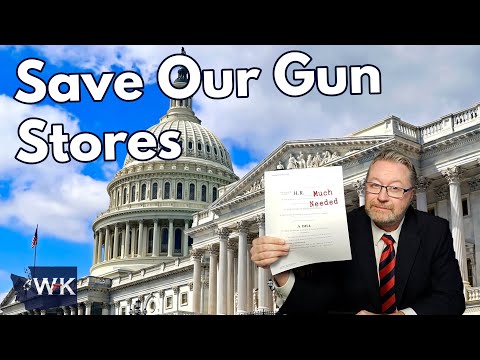
This video discusses the proposed RIFLE Act, a piece of federal legislation aimed at reforming the ATF's zero-tolerance policy towards Federal Firearms Licensees (FFLs). Introduced by Representative Tracy Mann of Kansas, the bill seeks to establish clearer rules and fairness in the FFL licensing process, particularly concerning violations and revocations. It introduces distinctions between willful and non-willful violations, mandates a presumption of non-willfulness, and sets statutes of limitations for ATF actions.
This video discusses the US Court of Appeals decision upholding a civil jury verdict against Donald Trump in a case brought by E. Jean Carroll. It details the allegations of sexual abuse and defamation, the $5 million awarded, and Trump's appeal based on evidentiary errors. The explanation focuses on Federal Rule of Evidence 415, which allows evidence of prior sexual misconduct in civil cases involving sexual assault, and the impact of New York's Adult Survivors Act on the statute of limitations.
This video discusses the potential for the Trump Department of Justice to reopen the investigation into the death of Ashli Babbitt. Host Mark Smith, a constitutional attorney, argues that 18 USC 1111 (federal murder statute) may apply due to the incident occurring on federal property, and that 18 USC 3281 may negate a statute of limitations for capital offenses. He highlights reporting on the involved officer's disciplinary record and contrasts the Biden DOJ's swift closure with other, longer investigations.
This video features Kevin Michalowski of the U.S. Concealed Carry Association and criminal defense attorney Tom Grieve discussing the legal ramifications of suing an attacker following a self-defense incident. They explore the pros and cons of civil legal action, the definition of negligence in civil court, the importance of assessing an assailant's financial standing for potential recovery, and how statutes of limitations and the timing of criminal cases can affect civil claims. Advice is given on seeking qualified legal counsel.
You've reached the end! 6 videos loaded.
Gun Laws by State
Read firearms regulations for all 50 states + D.C.
Find Gun Dealers
Search licensed FFL dealers near you.