This guide details a practical war belt setup for pistol magazines, emphasizing a dual retention strategy. One magazine is secured with velcro for protection against loss during dynamic movements, while the other is left uncovered for immediate access during speed reloads. The instructor also highlights the importance of carrying two tourniquets, one on the belt and another on body armor, for enhanced medical readiness.
This video provides tactical insights on war belt setup, focusing on magazine and medical gear placement. The speaker, likely experienced, details how to configure a war belt for efficient access to essential items during high-stress situations, emphasizing redundancy for critical medical supplies.
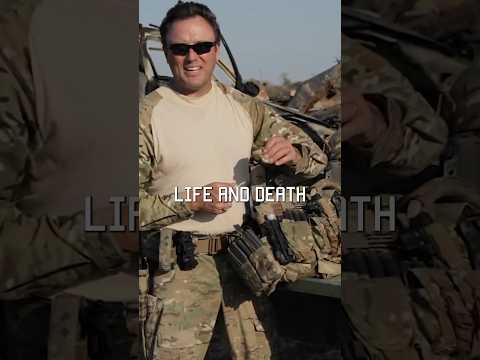
This video demonstrates a Green Beret's war belt setup, focusing on magazine retention and immediate access to medical gear. The instructor explains the rationale behind securing one magazine with Velcro for protection against accidental loss during dynamic movements, while leaving another uncovered for rapid reloads. Emphasis is placed on accessible tourniquet placement on both the belt and body armor for life-saving interventions.
This video provides expert guidance on setting up a Level 1 or Tier 1 belt kit, emphasizing its role as a survival-focused system. The instructor, identified as 'the average' from Trench Grenade, details essential components like pistol magazines, a retention holster, a tourniquet, and a dump pouch, while advising against items like admin pouches and grenades on the belt. The setup prioritizes accessibility and functionality for survival scenarios, distinguishing it from fighting load carriers.
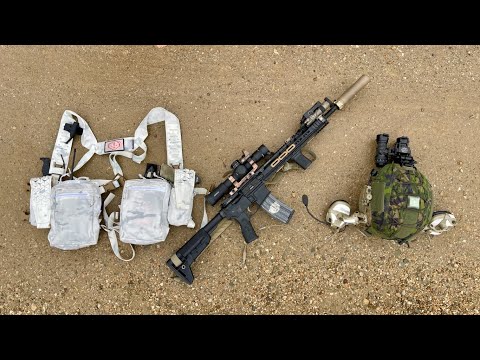
This guide details a winter warfare assault kit loadout designed for a Level 2 night vision class in cold weather conditions. The setup prioritizes accessibility of essential gear like medical supplies, reloads, and communication devices over a traditional belt line due to heavy layering. The Spiritus Systems Alpine Assault Kit is configured with specific pouches for radios, magazines, and a blade, ensuring critical items remain accessible despite extreme cold and multiple clothing layers.
This video provides practical advice on duty belt setups, differentiating between primary handgun users and those who prioritize a rifle. For primary handgun users, the instructor emphasizes weapon-mounted lights and red dots on duty-grade holsters. For rifle-primary users, the handgun is viewed as a backup, negating the need for a light. The guide also covers essential components like IFAKs, tourniquets, and magazine pouches.
This video demonstrates a tactical war belt setup focusing on firearm magazine and medical gear placement. It highlights the importance of accessible medical supplies, specifically tourniquets, and explains a strategic approach to magazine retention for speed reloads while preventing loss during dynamic movements.
This guide details how to set up a tactical war belt, drawing on the expertise of Karl Erickson, a former Special Forces operator. It covers optimal placement for holsters, magazine pouches (balancing speed and retention), and medical gear like tourniquets, emphasizing ambidextrous access and redundancy. The setup prioritizes practical application in operational environments.
This guide, presented by Karl Erickson, a former Special Forces operator, details the optimal setup for a tactical plate carrier and belt. It emphasizes critical gear placement for rapid access in high-stress situations, focusing on medical equipment like tourniquets and IFAKs. The instruction highlights the importance of ambidextrous accessibility for life-saving tools.
This video details significant loadout adjustments to a plate carrier and battle belt based on community feedback, focusing on improving efficiency, reducing weight, and optimizing access to critical gear. Key changes include removing a knife from the plate carrier to prevent magazine access obstruction and assailant use, relocating a headlamp to avoid glare, and 'slicking up' the right side of the plate carrier for unimpeded pistol draws. The left side now accommodates a vertically mounted radio and tourniquet, with pistol magazine pouches removed to streamline the setup. The battle belt sees minor adjustments for better rifle magazine access and a horizontally mounted knife for improved ergonomics and safety.
Rob Pettinelli, a former Navy SEAL, breaks down his tactical gear setups, emphasizing the 'mission plus role equals gear requirements' equation. He discusses helmet configurations, including the Crye Airframe for its shock rating and ventilation, and the importance of integrating communications. Pettinelli also details his preferred plate carrier and belt setups, highlighting modularity and accessibility for essential items like magazines, medical kits, and mission-specific pouches.
This guide details a Special Forces-inspired approach to setting up a tactical plate carrier, emphasizing a 'less is more' philosophy to minimize weight and maximize efficiency. Retired USSF operator Karl Erickson explains the strategic placement of ammunition, medical supplies, communication tools, and hydration, prioritizing accessibility for both self-aid and buddy-aid. The setup focuses on mission-specific needs and ergonomic access for speed and effectiveness in tactical scenarios.
You've reached the end! 12 videos loaded.
Gun Laws by State
Read firearms regulations for all 50 states + D.C.
Find Gun Dealers
Search licensed FFL dealers near you.