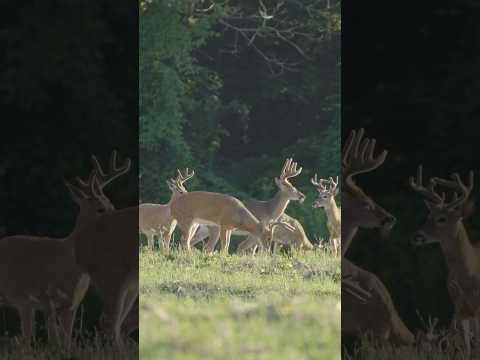
This video details an effective long-range deer scouting strategy emphasizing low-impact observation without pressuring the herd. It highlights the use of a high-quality spotting scope, ideally on a tripod, to identify mature bucks, their bedding areas, and travel corridors. The description recommends scouting during dawn and dusk from elevated vantage points overlooking key features like ag fields and funnels, and stresses the importance of identifying deer entry/exit points from feeding areas. It also touches on antler evaluation, buck identification, and the potential for digiscoping for later analysis to maximize hunting success.
This video provides valuable insights into strategic deer food plot planning by emphasizing the critical role of trail cameras in understanding whitetail deer movement patterns, travel corridors, bedding areas, and preferred food sources. It advocates for data-driven decision-making over guesswork, highlighting how early season scouting with game cameras can identify optimal food plot locations that will attract deer during daylight hours. The content also touches upon conducting trail camera surveys for essential deer herd inventory, including buck-to-doe ratios and population density, as a superior approach to traditional food plot placement.
This guide outlines November whitetail deer hunting strategies, breaking the month into three phases: pre-peak estrus, peak estrus (lockdown), and post-peak estrus. It details optimal morning and evening hunting locations, emphasizing the importance of doe bedding, food sources, funnels, and travel corridors, especially considering firearm season pressure. The advice is tailored for southern Iowa conditions but offers general applicability for November whitetail pursuits.
This guide details a hunting strategy focused on harvesting mature bucks by hunting the periphery of deer feeders rather than directly over them. The speaker, a seasoned hunter, explains that while young deer are drawn directly to feeders, mature bucks are more cautious and utilize secondary trails on the edges of these feeding areas. The strategy involves setting up blinds 200-300 yards away from feeders, focusing on downwind fringe trails, and understanding how other animals can impact deer behavior. Feeders are also presented as valuable tools for introducing new hunters to the sport by increasing deer visibility.
This episode of Gun Talk Hunt focuses on advanced late-season trail camera strategies for deer hunting. Hosts Kevin Jarnigan and Thomas Allen discuss optimizing camera placement, battery life, and data analysis to understand herd health and identify target bucks. They emphasize the importance of minimizing human intrusion and leveraging technology like cellular cameras for efficient scouting, especially for traveling hunters.
You've reached the end! 5 videos loaded.
Gun Laws by State
Read firearms regulations for all 50 states + D.C.
Find Gun Dealers
Search licensed FFL dealers near you.