This podcast episode features Ian McCollum of Forgotten Weapons discussing the origins and evolution of his YouTube channel, his involvement with auction houses, and his insights into firearm design and history. The conversation delves into various firearm mechanisms, the concept of 'brutality' shooting matches, and advice for transitioning into the firearms industry. McCollum shares his perspective on interesting firearm systems, historical designs, and the challenges of content creation in the firearms niche.
This Q&A session from InRangeTV covers various firearms-related topics, including event planning for 'Woodland Brutality,' the advantages of fixed power optics, the potential impact of the Sig Spear and .277 Fury cartridge, and the effectiveness of different calibers for home defense. The discussion also delves into the challenges of modern smartphone security, the AK platform's obsolescence, suppressor acoustics, and the nuances of competition versus tactical training.
This Q&A session from InRangeTV covers various firearms-related topics. Key discussions include the upcoming Desert Brutality 2021 match, the viability of the 7.5 FK cartridge in PCCs and PDWs, and the importance of community and fun in action shooting sports. The host also touches on firearm maintenance, historical firearms, and self-defense considerations, emphasizing training over specific gear.
This video provides an expert-level review of the Sig Sauer Tango6 1-6x24 LPVO, tested during a Two Gun Action Challenge match. The review highlights its performance in various shooting scenarios, from close-quarters engagements to medium-range targets, and discusses its military adoption. The instructor, an experienced competitive shooter, offers detailed insights into its reticle, illumination, and overall field performance.
This Q&A session for Desert Brutality 2020 covers various match divisions, rules, and gear. It clarifies the allowance of Pistol Caliber Carbines (PCCs) across divisions, emphasizing their potential accuracy limitations compared to rifles. The discussion delves into the Retro and Classic divisions, detailing acceptable firearms and gear from specific historical periods, including restrictions on modern accessories like rails and ambidextrous safeties. The Armored Plus P division's updated rules, aligning with Finnish TST standards, are explained, focusing on equipment requirements for field exercises. The video also touches on holster retention, optic choices, registration policies, and the martial focus of the brutality matches.
This video discusses the differences in gear and equipment between three-gun and two-gun action challenge matches. The primary distinction lies in the inclusion of a shotgun in three-gun, which necessitates specialized gear like bandoliers and shell caddies. Two-gun matches, often more physically demanding, require gear with superior retention, as standard three-gun holsters can be impractical. The overall gear philosophy shifts from competition-specific in three-gun to more practically oriented, field-ready equipment in two-gun.
This guide details Stage 1 of the Finnish Brutality 2018 competition, a challenging two-gun drill combining a weighted drag with rifle burpees and pistol transitions. Expertly demonstrated by InRangeTV hosts Ian McCollum and Karl Kasarda, the stage emphasizes resource management and accurate shooting under physical duress. The drill requires competitors to overcome physical exertion while maintaining precision with both rifle and pistol.
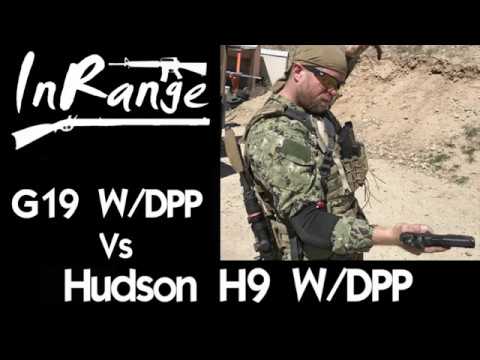
This video compares the Hudson H9 and Glock 19 Gen 5, both equipped with Delta Point Pro red dot sights, during a physically demanding competition stage. The discussion highlights the benefits of red dot sights and good triggers in mitigating performance degradation due to fatigue and elevated heart rates. It also touches on the importance of backup iron sights for red dot equipped pistols in certain scenarios and the impact of physical exertion on marksmanship.
This video discusses the pros and cons of using battle belts versus plate carriers and chest rigs for two-gun action challenge matches. The consensus leans towards battle belts for their modularity, ease of use, and ability to carry essential items like pistol holsters and dump pouches without the bulk of a plate carrier. While plate carriers are necessary for specific armored divisions or real-world scenarios, they are generally considered uncomfortable and hindering for speed and agility in competition. The discussion emphasizes that gear choices should prioritize functionality and speed for the specific application.
You've reached the end! 11 videos loaded.
Gun Laws by State
Read firearms regulations for all 50 states + D.C.
Find Gun Dealers
Search licensed FFL dealers near you.