This guide details the proper cleaning and maintenance of firearm suppressors, emphasizing that they require less frequent cleaning than firearms and that aggressive cleaning methods can be detrimental. It highlights the unique composition of fouling in suppressors, primarily carbon with significant lead and copper, and recommends mild, water-based cleaning solutions. Special attention is given to rimfire and corrosive ammunition, which necessitate more immediate cleaning due to salt buildup.
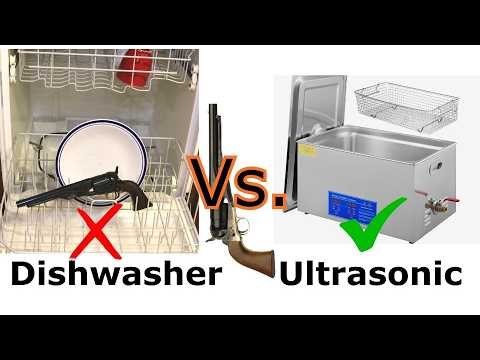
This guide details a comparison between using an ultrasonic cleaner and a dishwasher for cleaning a black powder revolver. The experiment, conducted by an experienced shooter with 20 years of black powder experience, found the ultrasonic cleaner to be effective, while the dishwasher method resulted in light rust and bluing loss. The speaker strongly recommends the ultrasonic cleaner for firearm maintenance.
This guide details the maintenance schedule and cleaning methods for both rimfire and centerfire suppressors, emphasizing the importance of cleaning attachment threads. It highlights that rimfire suppressors require more frequent cleaning (300-500 rounds) due to lower pressures, while centerfire suppressors can go several thousand rounds between cleanings. The video also touches on using solvents and ultrasonic cleaners for effective carbon removal.
This guide details three primary methods for cleaning reloading brass: vibratory tumbling with dry media, rotary tumbling with wet media and stainless steel pins, and ultrasonic cleaning. It covers the setup, media types, cleaning solutions, and approximate run times for each method. The guide also addresses post-cleaning separation techniques and the necessity of dealing with crimped primer pockets.
Dustin from Guns of the West unboxes and power-tests a large ultrasonic cleaning machine. He demonstrates its capability using a 'tinfoil test,' where the ultrasonic waves are shown to shred tin foil over 20 minutes, indicating strong cleaning power for firearms.
This YouTube video focuses on the process of ultrasonic brass cleaning. While the description is pending, the title clearly indicates the video will demonstrate or explain how to clean spent brass casings using an ultrasonic cleaner. This is a common practice among firearm enthusiasts for reloading ammunition, improving the appearance of brass, and preparing it for storage or sale.
This guide details the process of cleaning brass for reloading, drawing on the expertise of Brownells' Steven and Caleb. It covers when cleaning is necessary, different tumbling methods, the debate around decapping before cleaning, and the benefits of using tumblers to simplify the reloading process. The instruction emphasizes situational necessity over excessive cleaning.
This episode of The QA features Dave Tim from Guns and Tactics answering viewer questions on a variety of firearms-related topics. Key discussions include recommendations for dry-fire training systems, the effectiveness of short-barreled 5.56 rifles versus 300 Blackout, holster options for specific pistol models, red dot sight mounting techniques, and methods for teaching new shooting techniques. The video also covers optimal red dot brightness settings, trigger recommendations for duty use, the reliability of loaded chamber indicators, sight preferences for low-light conditions, firearm cleaning procedures for saltwater and debris, and comparisons between different .22LR rifle platforms.
This video focuses on the process of cleaning a Glock firearm using ultrasonic technology. While the description is minimal, the title clearly indicates a detailed guide or demonstration of this cleaning method. It is likely aimed at Glock owners or those interested in advanced firearm maintenance techniques, highlighting a specific approach to firearm care that prioritizes thoroughness and efficiency.
This guide details how to use the VEVOR 3L Ultrasonic Cleaner for removing cosmoline from firearm parts and cleaning reloading brass. The process involves using a cleaning solution, running the ultrasonic cleaner for set durations, and rinsing parts. The cleaner is shown to be effective for both heavy cosmoline buildup and for preparing brass for reloading, with different cleaning solutions yielding varied results.
This video provides a comparative test of three different cleaning solutions for wet tumbling brass: standard dish soap with lemon shine, Frankfort Arsenal Brass Cleaning Packs, and Brass Juice. The instructor, Johnny, details the cost-effectiveness and cleaning performance of each, noting that while all methods produced good results after 2 hours and 15 minutes, the cost and perceived effectiveness of Brass Juice did not justify its price compared to simple dish soap. He also highlights that significant cleaning occurs within the first 15 minutes of tumbling, especially when not using stainless steel media.
This video features a review of the InvisiClean Professional Ultrasonic Cleaner. While the title expresses strong positive sentiment ("I AM IMPRESSED!!"), the description and disclaimer explicitly state the video's purpose is for education only and does not facilitate sales or advertise firearms. The channel primarily focuses on guns and gear, with links to related social media and affiliate partners like Werkz Holster and Gatorz Glasses. The disclaimer emphasizes safe firearm handling and professional supervision during any live firing demonstrations.
Gun Laws by State
Read firearms regulations for all 50 states + D.C.
Find Gun Dealers
Search licensed FFL dealers near you.