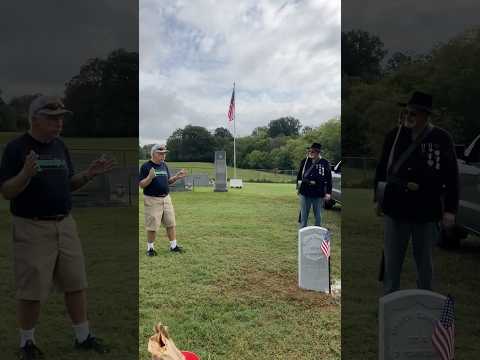
This video documents the placement of a new grave marker for Moses Gamble, a Civil War veteran and survivor of the tragic Sultana shipwreck. Members of the Sons of Union Veterans and the Sultana Association participated in the ceremony. Moses Gamble served in Company K of the 3rd Tennessee Cavalry (US). The description highlights the immense loss of life during the Sultana sinking, with 1,864 people perishing.
This YouTube video explores the historical significance of the Schofield Revolver and its connection to the pivotal Battle of Little Bighorn. It likely delves into the firearm's design, its role in the conflict, and potentially its broader impact on military and civilian use during that era. The content aims to educate viewers on a specific piece of firearm history and its place within a famous historical engagement.
This video explores the firearms, gear, and combat realities of the Apache Wars in 1870s Arizona. It highlights the differences between Apache and cavalry equipment and tactics, emphasizing the challenges of marksmanship training with limited ammunition. The content demonstrates historical shooting techniques and discusses the logistical and practical difficulties faced by soldiers and indigenous fighters.
This video explores the firearms and gear used by both US Federal forces and Apache allies during the Indian Wars of the 1870s. It highlights the differences in equipment between cavalry units and Apache warriors, emphasizing the use of surplus Civil War-era firearms and the challenges of supply chains. The content provides a detailed look at historical firearms like the Springfield 1870 and Colt 1871 Open Top, alongside period-appropriate ammunition and accoutrements.
This video provides an in-depth historical exploration of Cochise Stronghold, a key location in the Apache Wars. It details the strategic geography, Apache mobility advantages, and historical events like Geronimo's escape. The content highlights the deep historical knowledge and on-site experience of the presenters, offering insights into 19th-century frontier life and conflict.
This video, "Old West Vignettes: The Battle Of K-H Butte," delves into historical conflicts from August and September of 1881. It begins by referencing the Battle of Cibecue Creek, stemming from the arrest and murder of medicine man Nock-ay-det-klinne. The narrative then shifts to Geronimo and other Apache leaders who, fearing further bloodshed, escaped the San Carlos reservation with 74 warriors and 300 women and children. Their flight towards Mexico involved raids for supplies, culminating in a confrontation on October 2nd, 1881, between the Apache warriors and approximately 200 Federal troopers, which became known as the Battle of K-H Butte.
You've reached the end! 6 videos loaded.
Gun Laws by State
Read firearms regulations for all 50 states + D.C.
Find Gun Dealers
Search licensed FFL dealers near you.