This guide details the field stripping and operational mechanics of the Praga I-23 prototype light machine gun, a precursor to the ZB26. It covers disassembly of key components like the barrel, bolt, and gas system, emphasizing its unique belt-fed operation and historical context. Instruction is provided by Ian McCollum, demonstrating high expertise in historical firearms.
This guide details the field stripping process for the Romanian ZB-30 LMG, a development of the ZB-26. It covers barrel removal, bolt carrier group disassembly, trigger group access, and gas system adjustment. The video emphasizes safety improvements like the barrel shroud and firing interlock. Expert instruction from Ian McCollum provides detailed mechanical insights.
This guide details the field stripping and reassembly of the Praga Model 1919 pistol, Czechoslovakia's first official post-WWI army pistol. It highlights the unique internal mechanics, including a locked recoil spring assembly and a separate breech block, as explained by firearms expert Ian McCollum. The process requires careful attention to the compressed spring mechanism during disassembly and reassembly.
This review of the Praga Model 1921 pocket pistol highlights its unique one-handed cocking and firing mechanism, designed by Vaclav Holek. While mechanically interesting, the pistol was ultimately a commercial failure due to its limited power and market success. The video provides a detailed look at its operation and historical context.
This guide details the disassembly and operational features of the rare CZ Model S prototype from 1929, as demonstrated by Ian McCollum. It covers the unique hinged receiver, the gas-operated tilting bolt mechanism, and the integrated bolt release. The video highlights the rifle's historical context and design lineage, drawing parallels to other significant firearms.
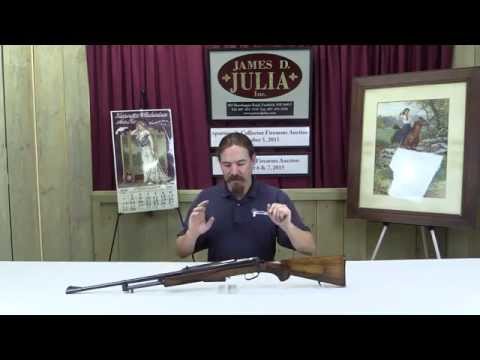
This guide details the field stripping process for the rare Holek Automat, a Czech sporting rifle designed by Emanuel Holek. The process is simplified by removing a single rear pin to separate the receiver assemblies, allowing access to the internal components like the bolt carrier and gas system. Expert Ian McCollum demonstrates this procedure, highlighting its mechanical similarities to other notable Czech firearms.
You've reached the end! 6 videos loaded.
Gun Laws by State
Read firearms regulations for all 50 states + D.C.
Find Gun Dealers
Search licensed FFL dealers near you.