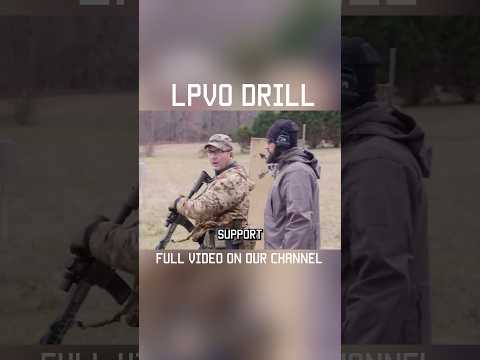
This drill focuses on efficient transitions between shooting positions (standing, kneeling, prone) while emphasizing the proper use of magnification adjustment on a Low-Powered Variable Optic (LPVO). The instructor highlights the importance of working the magnification control during the prone transition and engaging targets from various angles, including over-the-shoulder shots.
This drill focuses on transitioning between shooting positions (standing, kneeling, prone) while incorporating the use of a Low-Powered Variable Optic (LPVO). A key element is practicing magnification adjustment during the transition to prone, highlighting the tactical advantage of quickly adapting to different engagement distances. The drill emphasizes controlled fire and positional proficiency.
This video appears to be a review of an "ULTIMATE feature packed LVPO" (Low Power Variable Optic). The title highlights its feature-rich nature and targets users interested in budget-friendly gear for precision sports and military applications. The hashtags suggest a focus on optics, scopes, and affordable equipment suitable for tactical use or competitive shooting.
This drill focuses on efficiently manipulating the magnification on a Low-Powered Variable Optic (LPVO) during dynamic shooting transitions. It emphasizes using handwork to adjust the optic's power as you move between shooting positions (standing, kneeling, prone), highlighting the advantages this provides in target acquisition and engagement.
This YouTube video appears to be about an LPVO (Low Power Variable Optic) for a firearm. The title suggests the creator might find the optic to be 'too much,' implying it might be oversized, over-featured, or perhaps even overkill for their intended application. Further details about the specific firearm, caliber, or intended use are not provided in the description, making it difficult to ascertain the full context without watching the video.
This video explores the definition and function of an LPVO (Low Power Variable Optic), a popular type of scope for modern sporting rifles. While the video title specifically asks 'What Is an LPVO?', the description links to AT3 Tactical's Amazon store, their website for giveaways and videos, and comprehensive beginner's guides for both AR-15 and AR-10 platforms. This suggests the video serves as an introduction to a key optic for these rifle systems, likely aimed at new or intermediate firearm owners looking to accessorize.
This YouTube video focuses on essential features that firearm owners should look for when purchasing or utilizing an LPVO (Low Power Variable Optic). The content aims to educate viewers on critical aspects of LPVO selection, ensuring they make informed decisions for their specific needs, whether for hunting, tactical applications, or general range use. The video promotes the creator's apparel and website for additional resources and gear.
This review covers the Nikon Black Force 100 1-6x24 scope, highlighting its value for money in the tactical and sports optics market. The reviewer praises its true 1x magnification for close engagements, illuminated reticle with stop points, and smooth, capped quarter MOA turrets. It's noted for its durability, suitable for 3-gun competition, and its ability to reach out to 500 yards with its 6x magnification. The scope is considered a versatile option for CQB, tactical use, and hunting.
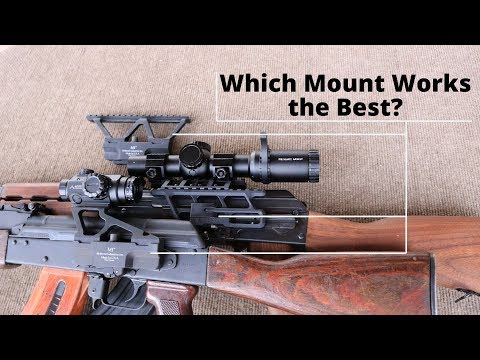
This guide details how to mount optics on Kalashnikov rifles using side-mounted solutions, focusing on considerations for different AK variants and mount types. It highlights RS Regulate and Midwest Industries as preferred brands, discussing the pros and cons of two-piece versus one-piece designs and the importance of selecting a mount compatible with specific receiver brackets (comm block, Yugoslavian M70, or proprietary Century Arms). The video emphasizes choosing a mount based on intended rifle use and optic type, while also addressing potential cheek weld issues with higher-mounted optics.
This video from Wilson Combat introduces their .300 HAM'R Recon barrel profile. The Recon profile, historically their best-seller, is now available for the .300 HAM'R caliber. It features specific dimensions (0.850" ahead of the chamber, 0.740" from the gas block) and is presented as an all-around option suitable for hunting, match shooting, or patrol carbine applications. The discussion highlights its improved muzzle weight, recovery, and ballistic reach, particularly with flat-nose bullets, making it effective out to approximately 350 yards for most rifle applications.
This video details the gear loadout for the VTAC Nightfighter 101 course, focusing on practical choices made by the instructor, Ivan, from Kit Badger. Key decisions involved opting for a belt and chest rig setup over a battle belt due to anticipated cold weather and layering, though the course ultimately took place indoors. The loadout emphasizes redundancy and accessibility, with specific gear choices like the Spiritus Systems Microfight chest rig, Blue Force Gear magazine pouches, and a Surefire Warcomp muzzle device being highlighted for their performance.
This video details a shooting stage focused on engaging targets while moving between barricades, emphasizing the performance of red dot and variable optics. Instructors discuss the effectiveness of a Trijicon AccuPoint at 1x magnification for shooting on the move and at 50 yards, highlighting its dual illumination and battery-free operation. They also compare it to other optic options, noting considerations for longer ranges and night vision compatibility.
Gun Laws by State
Read firearms regulations for all 50 states + D.C.
Find Gun Dealers
Search licensed FFL dealers near you.