This video uses colorized footage and modern-day analysis to explore the historical Battle of Kursk. It highlights the irony of German military leaders studying the region today, juxtaposing current tactical map analysis with WWII events. The content focuses on historical military strategy and the evolution of military analysis.
This Q&A session, featuring US Army Reserve Major Nicolas Moran (The Chieftain), dives deep into various aspects of tanks and armored vehicles. Topics range from specific weaponry like the M85 and M231 machine guns, the viability of the Bradley's 25mm gun and TOW missiles, to secondary armament options and ammunition types. The discussion also touches on historical tank design, crew small arms, optics, fire control systems, and the effectiveness of anti-tank rifles. Moran, with extensive combat experience in Abrams tanks and Bradley APCs, offers insights into both modern and historical armored warfare, addressing procurement issues and even the "forgotten weapon" of tanks.
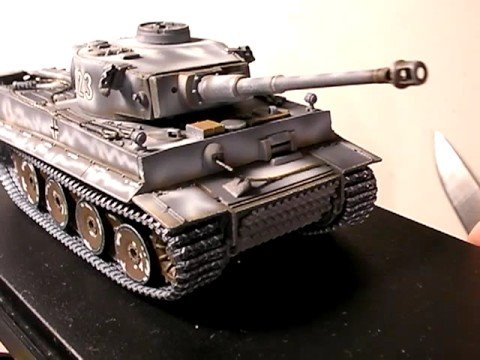
This video explores the fundamental trade-off between mobility and firepower using firearms and historical tanks as examples. It argues that a weapon you can carry (mobility) is often more effective than a more powerful one left behind. The Tiger I tank exemplifies extreme firepower but suffers from severe mobility limitations, highlighting the critical balance required for tactical effectiveness.
Part 2 of 4 in Nutnfancy's series on Mobility vs. Firepower, this video uses WWII tanks as a case study. It contrasts the high-firepower, heavily armored but complex and unreliable Tiger I with the simpler, reliable, and numerous American Sherman tank. While the Sherman was outclassed in individual engagements, its mobility, availability, and ease of maintenance proved strategically superior. The StuG III is also mentioned as an example of successful mobility. The core lesson is that for civilian and 'sheepdog' applications, mobility often leads to gear being carried and ready, though situations may warrant the additional capability of firepower.
This video, part 3 of 4, by Nutnfancy explores the core concepts of "Mobility vs. Firepower" using historical examples of World War II tanks, specifically the German Tiger 1 and the American Sherman. The Tiger 1 exemplifies extreme firepower and armor at the cost of reliability and mobility, while the Sherman, though outmatched in individual combat, dominated through numerical superiority, reliability, and mobility, allowing it to be present and effective on the battlefield. The video argues that for civilian applications and even some tactical roles, prioritizing mobility ensures gear is carried and ready. It encourages viewers to learn from historical lessons to make informed decisions about their own equipment choices based on mission requirements.
This is the final part of a four-part series by Nutnfancy discussing the concept of "Mobility vs Firepower" using historical examples of World War II tanks. The video contrasts the heavily armed but complex Tiger 1 tank with the simpler, more reliable, and numerous American Sherman tank. It argues that while superior firepower can be decisive, the ability to be present and operational (mobility) often proves more tactically impactful, a lesson applicable to modern gear choices for civilians and "sheepdogs." The series aims to help viewers make informed decisions about their own gear systems based on their specific needs and mission requirements.
You've reached the end! 6 videos loaded.
Gun Laws by State
Read firearms regulations for all 50 states + D.C.
Find Gun Dealers
Search licensed FFL dealers near you.