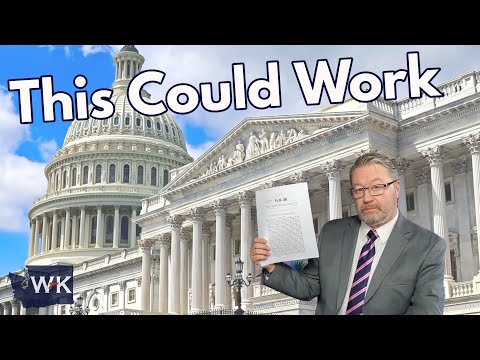
BOMBSHELL: What We Found In The National Carry Bill WILL DESTROY Blue State Gun Control FOREVER...

Published on January 9, 2025
Duration: 22:52

This video provides an in-depth analysis of HR 38, the National Reciprocity Bill, explaining how it aims to dismantle blue state gun control measures. The speaker, Braden from Langley Outdoors Academy, details how the bill establishes national reciprocity for firearm carry, opens federal lands to permitless carry, and creates grounds for legal challenges against restrictive state laws by establishing two classes of citizens. The discussion emphasizes the bill's potential to undermine licensing regimes and advance Second Amendment rights incrementally.

Quick Summary

HR 38, the National Reciprocity Bill, is designed to dismantle blue state gun control by establishing national reciprocity for firearm carry, allowing permitless carry across state lines. It also aims to invalidate magazine bans and create legal grounds for challenging restrictive state laws by establishing a disparity between citizens, potentially leading to the repeal of unconstitutional measures.

Frequently Asked Questions

What is HR 38 and how will it affect gun control in blue states?

HR 38, the National Reciprocity Bill, aims to establish national reciprocity for firearm carry, meaning states would have to honor carry permits and constitutional carry from other states. This is expected to dismantle blue state gun control by creating legal parity and allowing individuals from permitless carry states to carry in restrictive states.

How does HR 38 address magazine bans and limits?

HR 38 seeks to invalidate state-level magazine bans and limits by federally defining a handgun to include its magazines and ammunition. This provision is intended to supersede state laws that restrict magazine capacity, allowing for the carry of standard-capacity magazines across state lines.

What legal recourse does HR 38 provide for individuals in restrictive states?

HR 38 creates grounds for legal challenges by establishing two classes of citizens within states: those subject to extensive gun control regulations and those who are not. This disparity can be used in lawsuits to argue against the constitutionality of state-specific gun control measures, potentially leading to their repeal.

What are the political challenges for HR 38 passing?

The primary political challenge for HR 38 is in the Senate, where the filibuster requires 60 votes for consideration. With Republicans holding a majority, they would need to secure votes from several Democratic senators, which will likely involve significant political negotiation and horse-trading.

Related News

All News →

More 2nd Amendment & Law Videos You Might Like

More from Langley Outdoors Academy

View all →