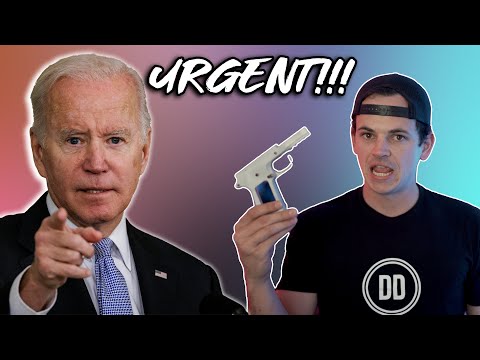
This Week in Guns 4/3/2025 - Vanderstok, ATF Rules & the Future of 80% Receivers

Published on April 3, 2025
Duration: 90:09

This video provides an in-depth analysis of the Vanderstok Supreme Court case concerning the ATF's regulation of 80% receivers and incomplete frames. It breaks down the legal arguments, the court's reasoning, and the implications for the future of firearm manufacturing and regulation, particularly regarding 'ghost guns.' The discussion highlights the complexities of legal definitions, the challenges of litigation strategy, and the potential impact on related cases and future legal challenges.

Quick Summary

The Vanderstok Supreme Court case upheld the ATF's authority to regulate 80% receivers and incomplete frames as firearms. The ruling suggested that items requiring less than an hour of work by an unskilled person with simple tools could be classified as guns, allowing the ATF to draw regulatory lines.

Chapters

  1. 01:03Vanderstok Case Overview
  2. 03:44Gun Control Act Definition of Weapon
  3. 06:36Court's Weapon Analysis Questions
  4. 15:56Key Takeaways from Vanderstok
  5. 17:11ATF's Line Drawing and Future Changes
  6. 20:27Broader Legal Questions Raised
  7. 21:12M-14 Case and Court's Reasoning
  8. 22:35Concerns for Adamc and Hoover Cases
  9. 25:27Parade of Horribles: Adamc Case Impact
  10. 34:51Call to Pardon Adamc
  11. 36:22Lack of Gun Group Support in Criminal Cases
  12. 39:53VZ Grips Sponsorship
  13. 40:52Pam Bondi and Second Amendment Enforcement
  14. 43:39DOJ Pauses in Litigation
  15. 45:17Predictions on Lawsuits
  16. 47:00MAFs Corporation Sponsorship
  17. 48:03Ammunition Price Trends
  18. 50:18Colorado Gas Operated Bill Analysis
  19. 52:58Colorado Bill Definition Breakdown
  20. 59:29Colorado Bill's Overreach
  21. 63:37The Purpose of Firearms
  22. 67:36California Magazine Ban Case (Duncan v. Bonta)
  23. 68:06Judge Van Dyk's Dissent

Frequently Asked Questions

What was the main outcome of the Vanderstok Supreme Court case regarding 80% receivers?

The Supreme Court upheld the ATF's authority to regulate 80% receivers and incomplete frames as firearms. The ruling indicated that items requiring less than an hour of work by an unskilled person with simple tools could be classified as guns, allowing the ATF to draw lines in this area.

How does the ATF define a 'weapon' under the Gun Control Act?

Under the Gun Control Act, a 'weapon' is defined as something that shoots a projectile or may readily be converted to shoot a projectile by the action of an explosive. This definition is central to the ATF's regulatory authority over firearm components.

What is the significance of the 'one-hour rule' mentioned in the Vanderstok case analysis?

The 'one-hour rule' refers to the court's consideration that items taking an unskilled person less than an hour with basic tools to complete might be classified as firearms by the ATF. This suggests a benchmark for determining regulatory status.

Did the Vanderstok ruling ban all 'ghost guns'?

No, the Vanderstok ruling did not enact a blanket ban on all 'ghost guns.' It upheld the ATF's existing rule-making authority, allowing them to regulate certain incomplete frames and receivers, but did not ban the concept entirely at the federal level.

Related News

All News →

More 2nd Amendment & Law Videos You Might Like

More from Fudd Busters

View all →