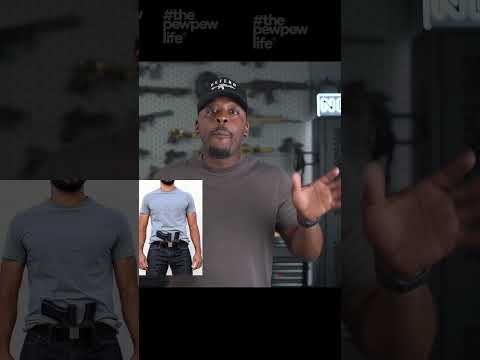
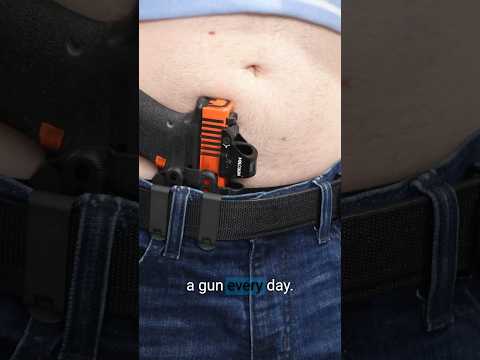
3 Tips for Winter Concealed Carry

Published on November 13, 2023
Duration: 4:25

This video provides three essential tips for effective winter concealed carry. It emphasizes using flexible clothing layers to ensure firearm accessibility, maintaining clear access to the waistline even in extreme cold, and understanding that draw speed will be reduced due to extra clothing. The instructor, Will Workman, highlights the importance of training with layers to set realistic expectations for defensive encounters.

Quick Summary

Effective winter concealed carry requires adapting to extra clothing layers. Prioritize flexible fabrics for easier firearm access and understand that your draw speed will be slower. Practice drawing with your winter gear on to set realistic expectations for defensive encounters.

Chapters

  1. 00:00Intro to Winter Carry Concerns
  2. 00:27Meet Will Workman & Channel Intro
  3. 00:52Tip 1: Wear Flexible Fabric
  4. 01:35Tip 2: Clear Access to Waistline
  5. 02:34Tip 3: Know Your Limits & Draw Speed
  6. 03:04Understanding Draw Speed Reduction
  7. 04:11Conclusion & Call to Action

Frequently Asked Questions

What is the most important factor for effective winter concealed carry?

The most crucial aspect is ensuring you can access your firearm quickly and reliably despite extra layers of clothing. This involves choosing flexible garments and practicing your draw under these conditions.

How do winter clothes affect concealed carry draw speed?

Winter clothing significantly slows down your draw to the first shot. Expect a noticeable increase in time compared to summer carry, potentially adding 0.3 to 0.4 seconds or more, depending on the layers.

What type of clothing is best for winter concealed carry?

Opt for flexible fabrics like cotton and polyester that have some give. Avoid stiff materials like thick leather or overly tight winter coats that can obstruct your ability to clear the garment and reach your firearm.

Should I consider different holster types for winter carry?

In very cold weather where access is severely limited, an outside-the-waistband holster might be considered if it allows for easier and still concealed firearm access, provided it meets your personal safety standards.

Related News

All News →

More EDC & Lifestyle Videos You Might Like

More from Modern Protector

View all →