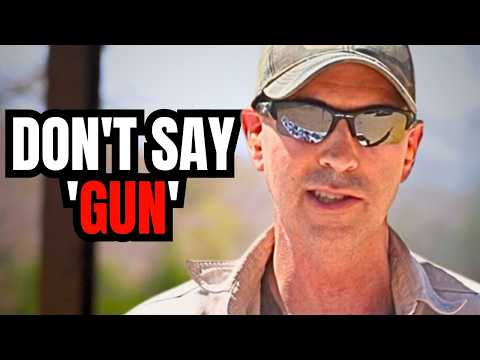
Another traffic stop. Different #cops. Will I get popped? Things get hairy when all are scary.

Published on February 19, 2023
Duration: 0:58

This guide outlines a calm and compliant protocol for interacting with law enforcement during a traffic stop, as demonstrated by Instructor Mike. It emphasizes clear communication, visible hand placement, and avoiding sudden movements to ensure safety and de-escalate potential tension for both the driver and the officer. Following these steps can lead to a smoother and safer interaction.

Quick Summary

During a traffic stop, immediately place both hands on the steering wheel. Verbally communicate your intentions before moving, such as retrieving your ID. Respond calmly and truthfully to officer questions about weapons or drugs. Offering transparency, like a vehicle search, can enhance cooperation and ensure a safer interaction for all parties involved.

Chapters

  1. 00:00Initial Stop Protocol
  2. 00:11Credential Disclosure
  3. 00:31Weapon and Drug Inquiry
  4. 00:48Cooperation and De-escalation

Frequently Asked Questions

What is the first step to take during a traffic stop?

The first step is to immediately place both hands on the steering wheel in a visible position. This signals compliance and safety to the approaching officer, helping to de-escalate the situation from the outset.

How should you handle requests for identification during a traffic stop?

Inform the officer where your identification is located and wait for acknowledgment before reaching for it. Verbalizing your movements, like stating 'My credentials are on a lanyard around my neck,' is crucial.

What is the best way to respond to questions about weapons or drugs?

Respond calmly and truthfully. If you have nothing to hide, offering transparency, such as consenting to a vehicle search, can further build trust and ensure a safer interaction for everyone involved.

Why is cooperation important during a traffic stop?

Cooperation and clear communication make the interaction significantly safer and easier for both the driver and the officer. It helps prevent misunderstandings and reduces the likelihood of the situation escalating unnecessarily.

Related News

All News →

More EDC & Lifestyle Videos You Might Like

More from Instructor Mike

View all →