Every concealed carrier needs to watch this

Published on February 9, 2026
Duration: 5:34

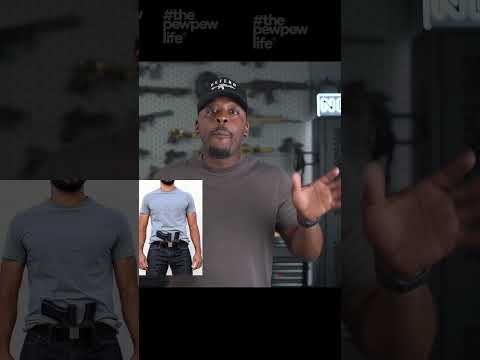
This video, featuring Will Workman, emphasizes that true protection for a concealed carrier goes beyond just owning a firearm. It outlines three crucial steps: using the right Kydex holster, carrying essential medical gear like trauma kits and pepper spray, and investing in professional training. Workman, identified as a Firearms Instructor with personal experience in medical emergencies, provides direct and safety-oriented advice for enhanced preparedness.

Quick Summary

Firearms Instructor Will Workman outlines three essentials for concealed carriers: use a high-quality Kydex holster molded for your firearm, carry vital medical gear like trauma kits and pepper spray, and invest in professional training. He stresses that true protection involves more than just owning a gun, emphasizing preparedness for medical emergencies and effective self-defense skills.

Chapters

  1. 00:00Introduction to Protection
  2. 00:44Holster Quality Matters
  3. 01:57Beyond the Gun: EDC Tools
  4. 03:24The Value of Professional Training

Frequently Asked Questions

What are the three essential steps for a concealed carrier to truly protect themselves and their families?

According to Will Workman, the three essentials are: 1. Carrying the right holster, specifically high-quality Kydex molded for your firearm. 2. Carrying more than just a gun, including medical gear like trauma kits and pepper spray. 3. Investing in professional training across various disciplines.

Why are high-quality Kydex holsters recommended over soft holsters for concealed carry?

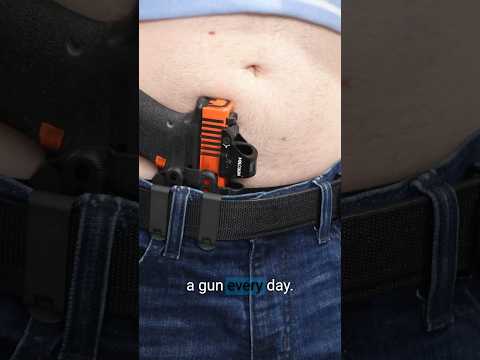
High-quality Kydex holsters are recommended because they are specifically molded for a firearm, offering superior retention and a more secure fit. This contrasts with soft holsters, which can be flexible and potentially dangerous, compromising safe firearm access and retention.

What medical gear is essential for a concealed carrier to have?

Essential medical gear includes a trauma kit containing items like a tourniquet for severe bleeding, chest seals for penetrating chest wounds, gauze for wound packing, and shears for cutting clothing. This preparedness is crucial as medical emergencies are more common than gunfights.

How important is professional training for a concealed carrier?

Professional training is considered paramount, even more valuable than owning an expensive firearm. It encompasses firearms proficiency, crucial medical skills, and scenario-based training to effectively handle real-world threats and emergencies.

Related News

All News →

More EDC & Lifestyle Videos You Might Like

More from Modern Protector

View all →