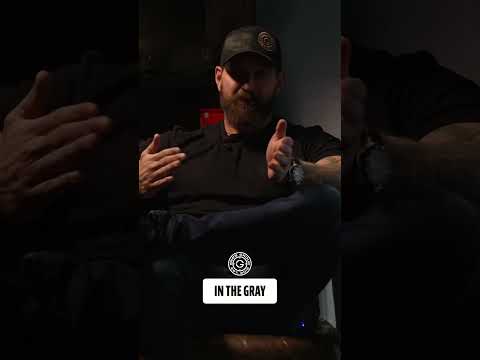
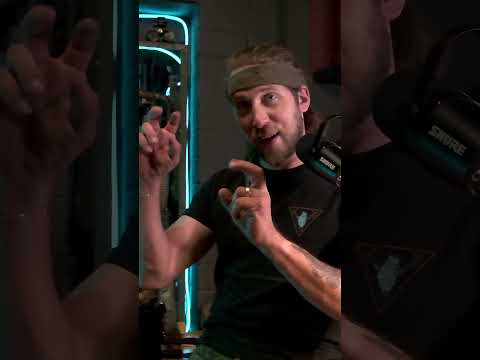
089: Fred Baker of Counting Coup Tactical on Vetting Your Instructor

Published on June 1, 2023
Duration: 59:08

This episode features Fred Baker, a retired Air Force Combat Controller and reconnaissance team leader, discussing the critical importance of vetting firearms instructors. Baker emphasizes that instructors must possess genuine expertise, integrity, and the ability to perform what they teach. He advises students to look for instructors who are transparent, provide free information, and demonstrate their own continued practice and competence, warning against those who are evasive or solely push sales. The conversation also delves into the nature of honor, morality in warfare, and the challenges of maintaining ethical standards in high-pressure environments.

Quick Summary

Vetting firearms instructors requires looking for genuine expertise, integrity, and transparency. Effective instructors share knowledge freely, demonstrate continuous competence, and avoid evasiveness. Students should ask detailed questions and be wary of those who solely push sales without providing upfront value, as this can indicate a lack of true experience or credibility.

Chapters

  1. 00:00Introduction and Fred Baker's Background
  2. 01:20Military Hierarchy and Special Operations Culture
  3. 03:49The Importance of Continuous Learning and Adaptation
  4. 06:14Proving Your Worth in Military and Civilian Contexts
  5. 09:41Vetting Firearms Instructors: Key Criteria
  6. 11:00Trust, Transparency, and Instructor Credibility
  7. 13:02Integrity: Capability and Genuine Material
  8. 14:30Experience vs. Combat Claims in Instruction
  9. 16:12The Evolution of Military Glory and Social Media Clout
  10. 17:30Critique of Anti-Hero Narratives and War's Reality
  11. 19:37The Moral Complexity of War and Leadership
  12. 20:40Officers: Reading Too Little, Not Too Much
  13. 22:39The Nuances of Honor and Morality in Conflict
  14. 26:20War as a Racket: Systemic vs. Individual Responsibility
  15. 29:13Individual vs. Systemic Responsibility in War
  16. 31:20Historical Perspectives on Leadership and Accountability in War
  17. 35:30'Skin in the Game' and NCO Decision-Making
  18. 37:34Commanders' Decisions: Morality vs. Troop Safety
  19. 39:25The Inconvenience of Easy Decisions in War
  20. 40:01Defining Morality in Dynamic Environments
  21. 42:39Character Under Pressure: The Limits of Human Will
  22. 44:04The Caricature of the Jaded Veteran
  23. 45:30Performative Hyper-Vigilance vs. Genuine Experience
  24. 49:40Genuine Instructors vs. Performative Operators
  25. 51:11Advice for Vetting Instructors and Gun Culture
  26. 53:37The Need for Collective Vetting and Accountability
  27. 54:41Gun Culture as an Honor Culture: Earning Your Place
  28. 56:12Open-mindedness and Honesty in Gun Culture
  29. 57:03Where to Find Fred Baker Online
  30. 57:28Conclusion and Call to Action

Frequently Asked Questions

What are the key qualities of a good firearms instructor?

A good firearms instructor should possess genuine expertise, integrity, and the ability to perform what they teach. They should be transparent, willing to share information freely, and demonstrate continuous practice and competence in their field, rather than solely focusing on sales or performance.

How can one vet a firearms instructor effectively?

To vet an instructor, ask detailed questions and expect thorough, non-evasive answers. Look for instructors who provide value upfront and whose existing content naturally leads to their paid courses. Be wary of those who are evasive or only push sales without demonstrating their own expertise.

Why is continuous learning important for firearms instructors?

The firearms and tactical landscape evolves rapidly. Instructors must engage in continuous learning and practice to remain relevant and effective. Stagnation can lead to a decline in skill and outdated knowledge, making them less valuable to students.

What is the significance of 'skin in the game' in decision-making?

'Skin in the game' refers to decisions having immediate personal consequences. Individuals with this connection tend to make wiser and more moral choices because they directly experience the outcomes of their actions, unlike those detached from the consequences.

More General Videos You Might Like

More from REDACTED Culture Cast

View all →