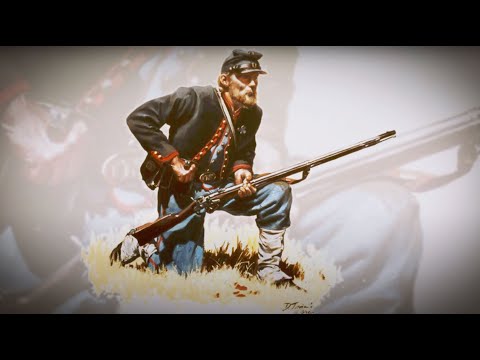
Ask Ian: Civil War Tech - Why Didn't It Improve?

Published on December 29, 2022
Duration: 10:09

This video from Forgotten Weapons, featuring Ian McCollum, delves into the reasons behind the slow adoption of advanced firearm technology during the American Civil War. McCollum explains that logistical challenges, the immense need for mass production of standard-issue weapons like the Model 1855 rifle musket, and the inherent risks of introducing new systems to a large army significantly hampered rapid technological advancement. The discussion also touches upon supply shortages and international comparisons to highlight these persistent issues.


Quick Summary

Firearm technology adoption during the American Civil War was slow due to significant logistical challenges, the immense need for mass production of standard-issue weapons like the Model 1855 rifle musket, and the inherent risks of introducing new systems to a large army.

Chapters

  1. 00:00Introduction and Question
  2. 00:30Military Adoption Realities
  3. 02:18Civil War Logistics and the Model 1855
  4. 04:38Supply Shortages and Older Tech
  5. 06:05General Ripley's Strategy
  6. 08:08International Context: Franco-Prussian War

Frequently Asked Questions

Why was firearm technology adoption slow during the American Civil War?

Firearm technology adoption was slow during the Civil War due to the immense logistical challenges of mass production, the high cost of new systems, the need for extensive soldier training, and the risk of disrupting established supply chains for standard-issue weapons like the Model 1855 rifle musket.

What was the standard firearm of the Civil War, and why was it prioritized?

The standard firearm was the .58 caliber Model 1855 rifle musket. It was prioritized because military leaders like General Ripley focused on the capacity for mass production to ensure the entire army had a baseline standard of reliable arms, rather than a few elite units with advanced but scarce weaponry.

How did supply shortages affect firearm choices during the Civil War?

Severe supply shortages forced both sides to use older or less advanced firearms. The Confederacy often relied on shotguns and flintlocks due to manufacturing limitations, while the Union also faced depleted stocks of modern arms, sometimes resorting to older smoothbores.

What lessons can be learned from the slow adoption of firearms technology in the Civil War?

The Civil War illustrates that military adoption of technology is a complex process influenced heavily by logistics, cost, training, and the sheer scale of production required. Even with advanced options available, practical considerations often dictate the arms that equip a large army.

More General Videos You Might Like

More from Forgotten Weapons

View all →