Finding Your Tribe After Military/Police Life

Published on March 21, 2026
Duration: 0:51

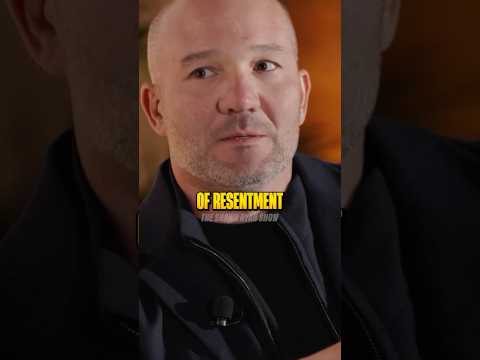
Clinton Smith of GBRS Group discusses the challenge of finding a new 'tribe' after military or police service. He emphasizes the importance of seeking out individuals who share your core interests and values to foster deep, meaningful connections, similar to the camaraderie experienced during service. The advice is practical for veterans and law enforcement officers navigating civilian life.

Quick Summary

After military or police service, finding a new 'tribe' involves actively seeking individuals who share your core interests and values. This could be through work, fitness, hobbies, or group activities that foster a deep level of understanding and camaraderie.

Chapters

  1. 00:00Post-Service Struggle Finding Tribe
  2. 00:17Align with Shared Interests
  3. 00:29Deep Level Connection

Frequently Asked Questions

How can veterans and police officers find a new community after leaving service?

After military or police service, finding a new 'tribe' involves actively seeking individuals who share your core interests and values. This could be through work, fitness, hobbies, or group activities that foster a deep level of understanding and camaraderie.

What is the key to building deep connections after military or police life?

The key to building deep connections post-service is finding like-minded individuals who understand each other on a profound level. This is achieved by engaging in activities that create shared experiences, whether it's a professional pursuit, a fitness group, or a recreational league.

Why is camaraderie important for those transitioning from military or police roles?

Camaraderie is crucial because it was a fundamental aspect of military and police life. Replicating this sense of brotherhood and shared purpose in civilian life helps ease the transition and combat feelings of isolation, providing a vital support network.

More General Videos You Might Like

More from GBRS Group

View all →