GUNTALK S4: Old Guns, New Guns - Ep 6, Pt 3

Published on May 28, 2015
Duration: 5:32

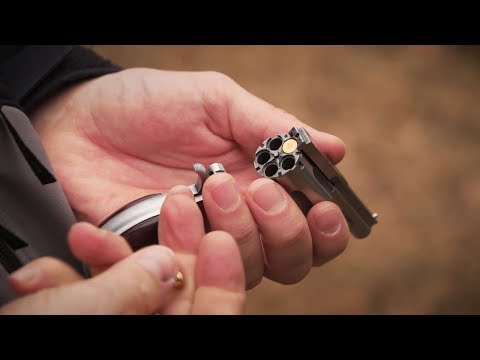
This episode delves into the historical evolution of firearms optics and concealed carry pistols. It highlights the development of telescopic sights from early American riflemen to modern target scopes, emphasizing the functionality of adjustable turrets and the 'slipping' technique for repeatable zeroing. The segment also traces the lineage of compact pistols, from 18th-century flintlocks to 19th-century Derringers and early 20th-century revolvers like the Smith & Wesson Lady Smith, illustrating the long history of personal defense firearms.

Quick Summary

The 'slipping the turret' technique allows shooters to reset the zero mark on a scope's adjustment dial. After sighting in, loosen the turret screws, rotate the dial to align the zero with an index mark, and retighten. This ensures repeatable adjustments for accurate long-range shooting.

Chapters

  1. 00:01Evolution of Optics
  2. 00:10Ubertal Scope Features
  3. 00:53Recoil Spring Function
  4. 01:18Modern Scope Controls
  5. 01:51Slipping the Turret Technique
  6. 03:02History of Pocket Pistols
  7. 03:25John Joyner Flintlock Pistol
  8. 03:46Henry Derringer Pistols
  9. 04:14Derringer vs. Derringer Spelling
  10. 04:33Multi-Barrel Pistols
  11. 04:54Smith & Wesson Lady Smith

Frequently Asked Questions

What is the 'slipping the turret' technique for rifle scopes?

Slipping the turret is a method for resetting the zero mark on a scope's adjustment dial. After sighting in a rifle, you loosen the turret's screws, rotate the dial to align the zero with an index mark, and then retighten the screws. This ensures repeatable adjustments for long-range shooting.

How did telescopic sights evolve historically?

Telescopic sights have been around for over a century, initially used by American riflemen and buffalo hunters. They were further developed by target shooters, with early models like the Unertal scope featuring high magnification and recoil-dampening mechanisms.

What is the historical significance of the Henry Derringer pistol?

Henry Derringer, a Philadelphia gunsmith, popularized small, single-shot pistols in the 1850s. These 'pocket pistols' became iconic for concealed carry, with the standard caliber being .41, though variations existed. His name's spelling is key to identifying authentic pieces.

What distinguishes an authentic Henry Deringer pistol from imitations?

Authentic pistols made by Henry Deringer are spelled 'Deringer' (one 'r'). Imitations, which became common due to the pistol's popularity, are typically spelled 'Derringer' (two 'r's). This spelling difference is a crucial identifier for collectors.

Related News

All News →

More General Videos You Might Like

More from Gun Talk Media

View all →