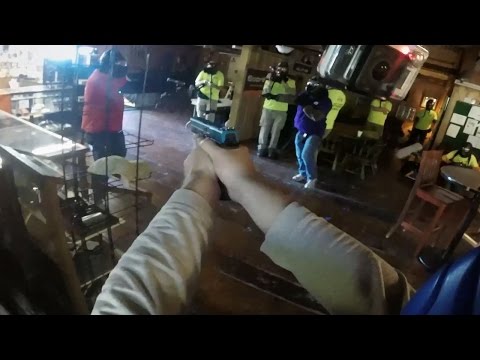
Attack Inside Local Gun Shop | First Person Defender

Published on September 12, 2021
Duration: 22:10

This guide, based on instruction from Mike Seeklander, a professional trainer and competitive shooter, details tactical movement and cover techniques. It emphasizes proactive avoidance, proper use of cover, and minimizing exposure when engaging threats. The techniques are demonstrated using various firearms and accessories, highlighting practical application in self-defense scenarios.

Quick Summary

Professional trainer Mike Seeklander emphasizes proactive situational awareness and tactical movement, including 'rolling' from cover, as essential for self-defense. He stresses that consistent training is as vital as learning to drive, urging individuals to practice regularly to be prepared for real-world threats.

Chapters

  1. 00:00Introduction and Show Premise
  2. 01:04Participant Profile: Luke
  3. 03:03Scenario 1: The Gun Shop Attack
  4. 06:53Scenario 1 Debrief
  5. 09:42Tactical Training: Awareness and Cover
  6. 12:14Shooting from Behind Walls
  7. 14:13Scenario 2: Multiple Assailants
  8. 18:10Final Assessment

Frequently Asked Questions

What are the key principles of tactical movement and cover from a self-defense perspective?

Key principles include proactive situational awareness to identify threats early, and effective use of cover by 'rolling' rather than 'leaning' to minimize exposure. Maintaining a stable shooting platform and keeping your weapon concealed until ready to engage are also crucial.

How does Mike Seeklander emphasize the importance of training for self-defense?

Mike Seeklander stresses that training is as essential as learning to drive, urging viewers to make it a daily habit. He highlights that formal firearms training is vital for responsible gun ownership and effective self-defense, not just relying on the right to carry.

What is the difference between 'rolling' and 'leaning' when using cover?

'Rolling' involves rotating your torso while keeping your lead foot forward (e.g., right foot for right-side cover) to minimize your profile. 'Leaning' is less effective as it can expose more of your body to the threat, making you a larger target.

What role does situational awareness play in self-defense scenarios?

Situational awareness is paramount for identifying potential threats ('knuckleheads') early. It allows you to proactively move to a safer position or prepare for engagement, significantly increasing your chances of survival and de-escalation.

More Tactical & Gear Videos You Might Like

More from Gun Talk Media

View all →