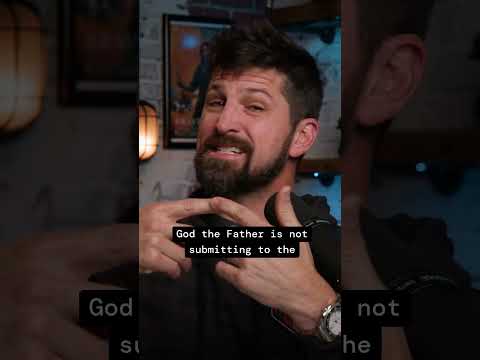
I am a loser! Here’s why.

Published on February 1, 2026
Duration: 5:04

Instructor Mike challenges the conventional definition of 'loser' by reframing it as a rejection of harmful societal illusions and a pursuit of genuine self-value. He advocates for embracing intellectual curiosity and peace over external validation, drawing on psychological theories and philosophical insights to encourage viewers to shed learned emotional burdens and toxic social circles. This approach emphasizes self-selfishness as a prerequisite for true contribution and personal growth.

Quick Summary

Instructor Mike redefines 'loser' as a rejection of societal illusions and harmful norms, advocating for self-value through intellectual pursuits and inner peace. He warns against toxic social circles that offer pity without solutions and emphasizes that learned emotions can be shed, encouraging a path to genuine selfhood.

Chapters

  1. 00:00Redefining the 'Loser' Label
  2. 01:06Lack of Social and Self-Value Training
  3. 02:20The 'Lame' Identity and Intellectual Peace
  4. 03:30The House of Pity and Toxic Circles
  5. 04:28Psychological Constructs of Emotion and Shame

Frequently Asked Questions

How does Instructor Mike redefine the term 'loser'?

Instructor Mike redefines 'loser' not as a personal failing, but as a conscious rejection of societal illusions and harmful cultural norms. He identifies as a 'loser' of the 'illusion of the required response' and cultures that promote training without accountability, advocating for a new perspective on self-worth.

What is the significance of embracing the 'lame' identity according to Instructor Mike?

Instructor Mike suggests that embracing being 'lame' means prioritizing intellectual pursuits like libraries, epistemology, and knowledge, and valuing inner peace over performing for others' expectations. It's about finding true selfhood away from societal pressures.

What warning does Instructor Mike give about 'toxic circles'?

Referencing Machiavelli, Instructor Mike warns against the 'house of pity,' where friends may enjoy your misery for validation. He stresses the need to 'lose' these toxic circles because they often offer only empathy ('I get it') without providing tools for improvement or genuine support.

How does Dr. Lisa Feldman Barrett's theory relate to emotional burdens?

Dr. Lisa Feldman Barrett's theory of constructed emotion suggests that emotions and triggers are learned, not innate. This implies that individuals can actively 'lose' unnecessary, learned emotional burdens and shame, as they are not fixed aspects of one's being.

Related News

All News →

More General Videos You Might Like

More from Instructor Mike

View all →