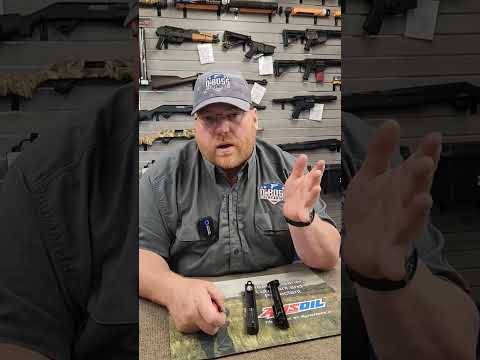
Shop Talk - Buying a used handgun

Published on June 26, 2013
Duration: 13:55

This video provides a comprehensive guide to purchasing used handguns, focusing on essential mechanical inspections for both semi-automatics and revolvers. Key takeaways include performing a hammer push-off test, checking bore condition and rifling, inspecting cylinder timing and gaps on revolvers, and understanding the importance of accessories. The video also touches on the nuances of buying collectible firearms and negotiating prices, emphasizing research and respectful interaction with gun shop owners.

Quick Summary

When buying a used semi-automatic handgun, perform a hammer push-off test to detect unsafe trigger jobs. Inspect the bore for pitting and crown damage, and check slide lock functionality. For revolvers, verify cylinder timing and lock-up by slowly pulling the trigger.

Chapters

  1. 00:00Intro: Why Buy Used Handguns?
  2. 01:41Semi-Auto Inspection: Hammer Push-Off Test
  3. 03:06Semi-Auto Bore & Mechanical Checks
  4. 04:59Accessories & Disassembly Etiquette
  5. 06:31Revolver Inspection: Forcing Cone & Timing
  6. 08:28Revolver Cylinder & Crane Checks
  7. 10:04Buying Collectible Firearms (Luger)
  8. 11:57Negotiating Used Gun Prices

Frequently Asked Questions

What are the key mechanical checks for a used semi-automatic handgun?

When buying a used semi-automatic, perform a hammer push-off test to check for improper trigger jobs. Inspect the bore for pitting and crown damage, verify slide lock functionality, and ensure the magazine safety works correctly by checking if the hammer falls when the magazine is removed.

How do you inspect a used revolver for reliability?

Inspect a used revolver's forcing cone for erosion and the muzzle crown for nicks. Check the bore rifling for sharpness. Verify timing by slowly pulling the trigger to ensure the cylinder locks before the hammer falls, and check the cylinder gap for uniformity.

What should I look for when buying a collectible used handgun like a Luger?

For collectibles like a German Luger, research is crucial. Verify manufacturing dates, ensure serial numbers match on key parts, and check for original magazines. These factors significantly influence the firearm's market value.

Is it okay to field-strip a gun in a shop before buying it?

It's strongly advised to ask permission before field-stripping any firearm in a gun shop. Improper disassembly can lead to lost parts or damage, potentially voiding any purchase agreement or causing issues for the shop owner.

Related News

All News →

More General Videos You Might Like

More from Military Arms Channel

View all →