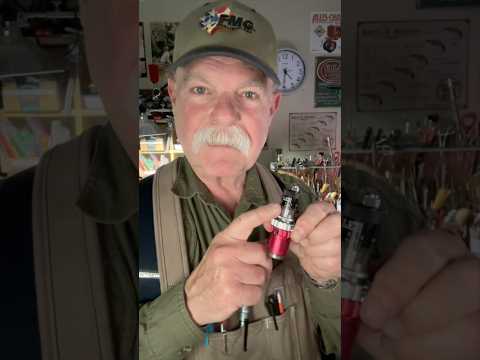
.22-250 Remington - Getting started with reloading

Published on December 25, 2019
Duration: 104:13

This video provides a comprehensive guide to reloading .22-250 Remington ammunition, focusing on a Remington Model 788 with a Douglas barrel. It details component selection (brass, bullets, primers, powders), case preparation, powder charging, bullet seating, and initial range testing. The instructor emphasizes accuracy and velocity, aiming to develop loads suitable for varmint and deer hunting, while also highlighting potential challenges with certain components and the firearm's specific characteristics.


Quick Summary

Reloading .22-250 Remington involves selecting components like Norma or Winchester brass, various bullet weights (40-62 grains), large rifle primers, and temperature-stable powders such as AR Comp or StaBALL 6.5. Accurate bullet seating is achieved by measuring cartridge base to ogive (CBO) for consistency.

Chapters

  1. 00:00:00Introduction to .22-250 Remington Reloading Project
  2. 00:04:00Understanding the .22-250 Remington Cartridge
  3. 00:05:00Bullet Selection for .22-250 Remington
  4. 00:06:36Brass Selection: Norma vs. Winchester
  5. 00:09:13Primer and Powder Selection for .22-250
  6. 00:10:04Powder Choice: AR Comp, StaBALL 6.5, Varget, 8208 XBR
  7. 00:12:19Reloading Equipment Overview
  8. 00:15:14.22-250 Load Data and Charge Weights
  9. 00:17:53Setting Overall Length and Magazine Fit
  10. 00:18:29Using the Hornady Overall Length Gauge
  11. 00:22:32Alternative Overall Length Measurement Method
  12. 00:24:24Ammo Box and Loading Block Setup
  13. 00:25:30Brass Preparation: Sizing and Deburring
  14. 00:30:07Case Mouth Deburring and Flash Hole Prep
  15. 00:33:53Priming Cases with a Hand Priming Tool
  16. 00:40:08Powder Dispensing and Weighing
  17. 00:43:49Loading First Charges and Case Fill
  18. 00:49:03Loading Cider Rounds
  19. 00:50:06Bullet Seating Die Setup
  20. 00:51:33Seating Bullets: Winchester Brass
  21. 00:55:28Seating Bullets: Norma Brass Comparison
  22. 00:57:57Switching Powders and Seating Dies
  23. 01:00:09Seating 53-Grain V-MAX Bullets
  24. 01:03:41Firearm Inspection: Remington Model 788
  25. 01:04:40Range Setup: Chronograph and Target System
  26. 01:05:39Confirming Scope Zero and First Shots
  27. 01:07:51Testing Norma Brass: 40-Grain V-MAX with AR Comp
  28. 01:11:11Testing Winchester Brass: 40-Grain V-MAX with AR Comp
  29. 01:12:08Testing StaBALL 6.5 Powder
  30. 01:17:00Conclusion and Next Steps

Frequently Asked Questions

What are the key components for reloading .22-250 Remington?

For reloading .22-250 Remington, you'll need appropriate brass (like Norma or Winchester), bullets (40-62 grain options), large rifle primers (Federal Gold Medal Match recommended), and suitable powders such as AR Comp, StaBALL 6.5, Varget, or IMR 8208 XBR.

What is the recommended twist rate for .22-250 Remington barrels when shooting heavier bullets?

For heavier bullets in .22-250 Remington, a faster twist rate is generally preferred. A slow twist rate, like the 1:14 found on the featured Model 788, may struggle to stabilize bullets heavier than 55 grains, potentially causing stability issues.

How can I ensure consistent bullet seating depth when reloading?

To ensure consistent bullet seating depth, measure the cartridge base to ogive (CBO) using calipers and a bullet comparator. This method is more repeatable than overall length, especially when dealing with different bullet designs or potential magazine length restrictions.

What are the advantages of using premium brass like Norma for reloading?

Premium brass like Norma often offers tighter tolerances, more consistent weight and case capacity, and better primer pocket fit compared to standard brass. This can lead to more predictable pressures, improved accuracy, and longer brass life.

Related News

All News →

More Gunsmithing & DIY Videos You Might Like

More from Johnny's Reloading Bench

View all →