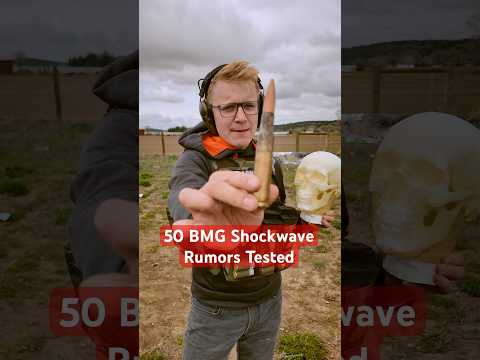
3D Printed .50 BMG

Published on April 9, 2024
Duration: 23:01

This guide details the assembly and testing of the Mammoth 50, a 3D-printed .50 BMG rifle. It covers component selection, including the Ligamec Raptor-50 upper and Polymaker PA6-GF chassis, trigger modification with a LaRue MBT-2S, and optic mounting with a Burris Fullfield II. The guide emphasizes the experimental nature of the build, highlighting material science considerations for high-recoil firearms and the importance of structural integrity during live fire testing, as demonstrated by an expert in 3D-printed firearm design.

Quick Summary

The Mammoth 50 is a 3D-printed .50 BMG rifle featuring a Ligamec Raptor-50 upper receiver and a chassis made from Polymaker PA6-GF. It utilizes a modified LaRue MBT-2S trigger and a Burris Fullfield II optic. Live fire testing revealed the extreme recoil of the .50 BMG round, causing a 3D-printed monopod to fail immediately, highlighting the challenges in material science and structural reinforcement for such powerful firearms.

Chapters

  1. 00:41Introduction to Mammoth 50
  2. 02:18Upper Receiver and Build Components
  3. 03:51Development and Material Science
  4. 05:21Trigger and Internals
  5. 06:06Barrel and Recoil Management
  6. 07:11Optics and Accessories
  7. 08:35Live Fire Testing
  8. 13:33Reliability and Final Analysis

Frequently Asked Questions

What are the key components of the 3D-printed Mammoth 50 .50 BMG rifle?

The Mammoth 50 features a Ligamec Raptor-50 upper receiver, a 3D-printed chassis made from Polymaker PA6-GF (Glass Fiber Nylon), a modified LaRue MBT-2S trigger, a 28-30 inch barrel with a muzzle brake, and a Burris Fullfield II optic.

What materials were used for the 3D-printed chassis of the Mammoth 50?

The chassis was initially printed in PLA+ but later versions used Polymaker PA6-GF (Glass Fiber Nylon) for improved temperature resistance and durability, though PLA+ was considered potentially superior for rigidity in high-recoil applications.

What were the results of the live fire testing on the Mammoth 50?

During live fire, the 3D-printed monopod failed immediately. The main chassis held up, but the extreme recoil of the .50 BMG round was evident, causing significant bruising and powerful concussion effects from the muzzle brake.

What are the main challenges in 3D printing a .50 BMG rifle?

Key challenges include managing extreme recoil, ensuring structural integrity of the 3D-printed components (especially the chassis and accessories like monopods), selecting appropriate materials (like PA6-GF vs. PLA+), and modifying commercial parts like triggers to fit the custom build.

More Gunsmithing & DIY Videos You Might Like

More from PSR

View all →