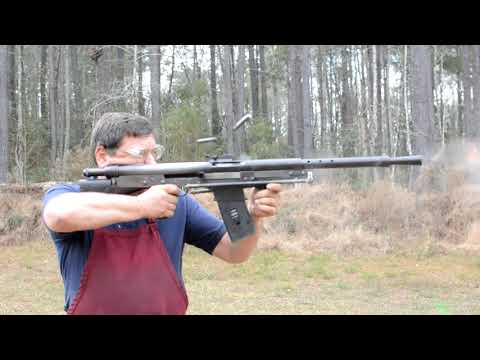
Anvil 078: #4 Mk.1 Truck Gun Carbine Part 1

Published on February 17, 2020
Duration: 43:15

This guide details the process of converting a Lee-Enfield No. 4 Mk. 1 into a compact 'truck gun' carbine, as demonstrated by expert gunsmith Mark Novak. The modification focuses on shortening the barrel to 16 3/8 inches while maintaining a factory-like appearance, integrating custom muzzle devices, and extending the wooden handguard using advanced woodworking techniques. Novak emphasizes ethical modification practices, reserving such projects for rifles lacking collector value.


Quick Summary

Expert gunsmith Mark Novak demonstrates converting a Lee-Enfield No. 4 Mk. 1 into a rugged 'truck gun' carbine. The process involves NFA-compliant barrel shortening to 16 3/8 inches, measured from the bolt face, custom machining of threads, and extending the wooden handguard using a 22.5-degree scarf joint for durability.

Chapters

  1. 00:00Project Introduction
  2. 01:01Donor Rifle Assessment
  3. 03:41Shortening Strategy
  4. 04:59Legal Barrel Length and Measurement
  5. 06:31Muzzle Device Engineering
  6. 09:34Gunsmithing Philosophy
  7. 11:03Barrel Preparation
  8. 14:44Barrel Machining
  9. 17:43Handguard Modification
  10. 21:19Progress Review and Part 1 Conclusion

Frequently Asked Questions

What is the primary goal of modifying a Lee-Enfield No. 4 Mk. 1 into a truck gun carbine?

The primary goal is to create a compact, durable firearm chambered in a major caliber that can withstand abuse, suitable for use as a 'truck gun' or rancher's rifle, while avoiding a crude or aesthetically unpleasing modification.

How is legal barrel length determined for rifle modifications?

Legal barrel length for rifles is determined by measuring from the bolt face to the muzzle. Mark Novak demonstrates this using a rod, targeting 16 3/8 inches to ensure compliance with NFA regulations.

What woodworking technique is used to extend the handguard?

A 22.5-degree scarf joint is used to join two pieces of wood for extending the upper handguard. This technique provides a larger surface area for a strong bond when using epoxy like Acraglas.

When is it considered ethical to modify military surplus firearms?

It is generally considered ethical to modify military surplus firearms that are 'mutt' examples, have mismatched parts, or are in poor condition and lack collector value. Historically significant or numbers-matching examples should be preserved.

More Gunsmithing & DIY Videos You Might Like

More from Mark Novak

View all →