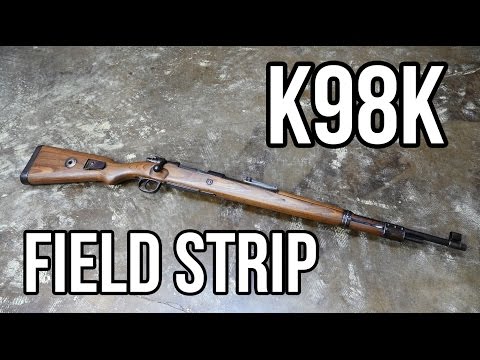
Anvil 092: K98 major flood damage recovery

Published on December 25, 2020
Duration: 48:59

This guide details a meticulous, conservation-focused restoration of a flood-damaged Mauser K98, led by Master Gunsmith Mark Novak. It covers advanced techniques for rust removal, wood repair, and finish preservation, emphasizing the importance of retaining historical integrity over achieving a pristine appearance. Novak's expertise is evident in his use of specialized tools and adherence to established gunsmithing principles from authors like Jerry Kuhnhausen.

Quick Summary

Master Gunsmith Mark Novak demonstrates advanced conservation techniques for restoring a flood-damaged Mauser K98. The process involves rust conversion via boiling, careful metal carding, specialized wood repair using polyurethane glue, and finishing with Danish Oil, all while prioritizing the preservation of original historical character over a pristine appearance.

Chapters

  1. 00:00Introduction and Assessment
  2. 01:26Front End Disassembly
  3. 03:40Handguard Removal and Rust Inspection
  4. 05:15Removing Seized Screws
  5. 07:06Separating Action from Stock
  6. 08:39Bolt Extraction and Rust Conversion
  7. 11:41Carding the Metal
  8. 13:44Bore Cleaning and Inspection
  9. 15:30Finish Preservation Philosophy
  10. 18:26Crossbolt Removal and Stock Assessment
  11. 20:55Stock Cleaning and Surface Prep
  12. 22:24Steaming Dents and Alcohol Cleaning
  13. 24:40Wood Repair and Handguard Salvage
  14. 26:39Final Finishing and Results

Frequently Asked Questions

What is the 'boiling' process for firearm rust removal?

The 'boiling' process involves submerging metal firearm parts in hot water. This technique converts red iron oxide (rust) into black ferro-ferric oxide (magnetite), a more stable form that can then be safely carded off without damaging the underlying metal or original finish.

How can I repair a split wooden gun stock?

For splits in wooden gun stocks, consider using a polyurethane glue like Gorilla Glue. Its expanding properties help it penetrate wood fibers for a strong bond, and it generally accepts stains better than some traditional wood glues. Clamping is essential during drying.

What is the best way to remove seized screws from a firearm?

To remove seized screws, first apply a quality penetrating oil like Kroil and allow it to soak in. Then, use a properly fitted screwdriver or an impact driver with appropriate downward pressure to prevent cam-out and damage to the screw head.

Why is preserving original firearm finish important?

Preserving the original finish, even if pitted, is crucial in conservation gunsmithing. It retains the firearm's historical integrity and value. Aggressive cleaning methods that remove original bluing or patina are discouraged in favor of techniques that stabilize corrosion while keeping the history intact.

More Gunsmithing & DIY Videos You Might Like

More from Mark Novak

View all →