Berettas With Bayonets: The Very Early Model 38A SMG

Published on November 29, 2024
Duration: 9:08

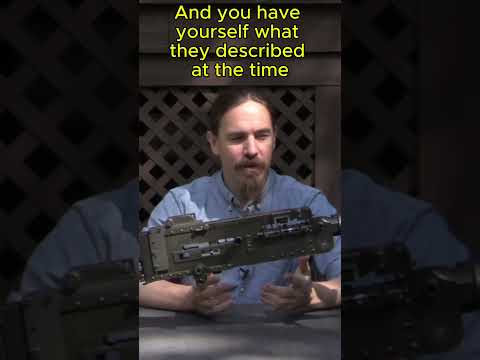
This guide details the operation of the unique folding bayonet system on the early Beretta Model 38A SMG, as demonstrated by Ian McCollum. It covers attachment to the barrel shroud and stowing the blade within the stock. The video emphasizes the historical significance and mechanical ingenuity of this rare feature.

Quick Summary

The early Beretta Model 38A SMG is renowned as one of WWII's top submachine guns, prized for its soft recoil and controllability. Key features include a unique folding bayonet attached via a T-lug to the barrel shroud, a dual trigger system for semi-auto (front) and full-auto (rear) fire, and a cross-bolt safety. Historical markings indicate its Italian fascist-era production.

Chapters

  1. 00:00Introduction to the Beretta 38A
  2. 01:25Markings and Production History
  3. 02:49Dual Trigger and Safety Systems
  4. 04:34The Folding Bayonet System
  5. 07:15Stock Markings and Rarity

Frequently Asked Questions

What makes the early Beretta Model 38A SMG unique?

The early Beretta Model 38A SMG is notable for its soft-shooting characteristics, high controllability, and unique features like a folding bayonet, dual triggers for semi-auto and full-auto fire, and a cross-bolt safety. It's considered one of the best submachine guns of WWII.

How does the folding bayonet on the Beretta Model 38A attach?

The folding bayonet attaches via a T-lug system that fits into a dedicated T-slot located on the barrel shroud of the Beretta Model 38A. The blade then folds back into a recess in the wooden stock for storage.

What do the markings on the Beretta Model 38A receiver indicate?

Markings like 'Moschetto Aut-Mod. 38A' identify the model. A date like 'XX' (representing the 20th year) indicates production under the fascist government in Italy. Caliber (9mm) and manufacturer details are also present.

What is the purpose of the dual trigger system on the Model 38A?

The Beretta Model 38A features a dual trigger system for distinct firing modes. The front trigger is set for semi-automatic fire, while the rear trigger is used for full-automatic fire, offering versatile control.

More Gunsmithing & DIY Videos You Might Like

More from Forgotten Weapons

View all →