Brownells - Layering/Camo Techniques

Published on October 21, 2009
Duration: 2:33

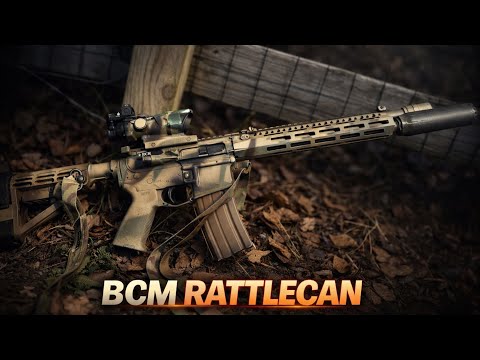
This guide details advanced camouflage layering techniques for firearms, as demonstrated by Monty Crain from Brownells. It covers the creation and use of various stencils, including DIY options like paper plates and mesh netting, to achieve custom patterns. The instruction emphasizes proper stencil application for edge control and the importance of cleaning stencils to prevent paint migration, offering practical advice for firearm customization.

Quick Summary

Learn expert firearm camouflage layering techniques using DIY stencils made from paper plates, mesh netting, or artificial plants. Achieve sharp or fuzzy edges by adjusting stencil proximity, and prevent paint migration by cleaning stencils between applications for professional-looking custom finishes.

Chapters

  1. 00:00Introduction to Camo Layering
  2. 00:20Stencil Materials and Creation
  3. 00:45Edge Definition and Natural Patterns
  4. 01:10Using Mesh for Texture
  5. 01:45Maintenance and Practice

Frequently Asked Questions

What materials can be used to create custom camouflage stencils for firearms?

You can create DIY stencils from various materials that conform to the firearm's surface. Common options include coated paper plates, transparency sheet protectors, specialized hobby store materials, artificial plants, leaves, and mesh netting like that from vegetable bags.

How can I achieve different edge effects (sharp vs. fuzzy) when spray painting camouflage patterns?

To achieve sharp edges, press the stencil firmly against the firearm surface while spraying. For softer, fuzzy edges, hold the stencil slightly elevated above the surface during application.

Why is it important to clean stencils when applying camouflage paint to firearms?

Paint can accumulate on stencils and migrate to the back, potentially transferring unwanted marks or creating blurred patterns on your firearm. Cleaning or drying stencils between uses prevents this and ensures cleaner application.

What is the benefit of using mesh netting for firearm camouflage?

Mesh netting, such as from onion or potato bags, creates unique, natural breakup patterns and textured finishes. Layering mesh behind a stencil can also produce a sophisticated double-layered camouflage effect.

Related News

All News →

More Gunsmithing & DIY Videos You Might Like

More from Brownells, Inc.

View all →