Chinese Mystery Pistol

Published on September 3, 2014
Duration: 8:01

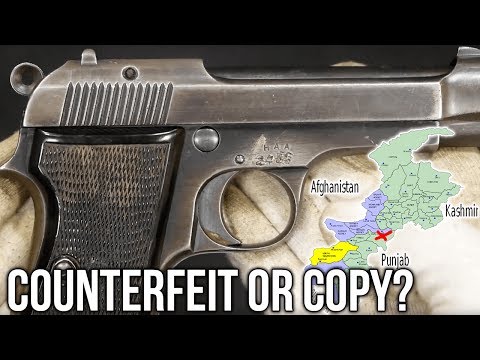
This guide details the disassembly of a Chinese Mystery Pistol, identified as a Mauser 1914 type. It highlights the unique features, such as a pinned barrel for disassembly and a lever that functions as a slide stop rather than a safety. The analysis, presented by Ian McCollum of Forgotten Weapons, emphasizes the counterfeit markings and non-functional elements found on this firearm, offering insights into Chinese arms production during a period of sanctions.


Quick Summary

Ian McCollum of Forgotten Weapons examines a Chinese Mystery Pistol, a Mauser 1914 type, highlighting its counterfeit markings, non-functional sights, and decorative screws. Produced during Chinese import sanctions, it mimics Western designs but lacks genuine functionality, serving as an example of imitation arms manufacturing.

Chapters

  1. 00:00Historical Context of Chinese Production
  2. 01:54Design Styles and Mechanical Basis
  3. 02:54Counterfeit Markings and Aesthetic Quirks
  4. 03:43Mechanical Features and Caliber
  5. 04:46Non-Functional Decorative Elements
  6. 06:21Control Anomalies

Frequently Asked Questions

What is a Chinese Mystery Pistol?

A Chinese Mystery Pistol, as analyzed by Ian McCollum, refers to firearms produced in China during the 1920s-1930s, often imitating popular Western designs like the Mauser 1914 type. These can range from quality copies to unsafe counterfeits with non-functional parts and fake markings due to import sanctions.

What are the key features of the Chinese Mystery Pistol (Mauser 1914 Type)?

This specific pistol, a Mauser 1914 type, features a pinned barrel for disassembly, a lever acting as a slide stop (not a safety), and notably, non-functional sights and decorative screws. It mimics aesthetic elements of the Mauser C96 but is a pocket-style pistol likely chambered in .32 Auto.

Why were firearms like the Chinese Mystery Pistol produced in China?

During the 1920s and 1930s, international sanctions prohibited firearm imports into China. This led to a surge in local production, with manufacturers copying popular foreign designs. Some produced high-quality arms, while others created unsafe 'junk' or counterfeits like the mystery pistol.

How can one identify a counterfeit firearm like the Chinese Mystery Pistol?

Counterfeit firearms often display fake markings, including incorrect brand names, proof marks, or gibberish characters, as seen on this Mauser 1914 type. Non-functional components, decorative elements serving no mechanical purpose, and impossible sight pictures are also strong indicators.

More Gunsmithing & DIY Videos You Might Like

More from Forgotten Weapons

View all →