Comparing Guide Rods

Published on November 4, 2010
Duration: 5:47

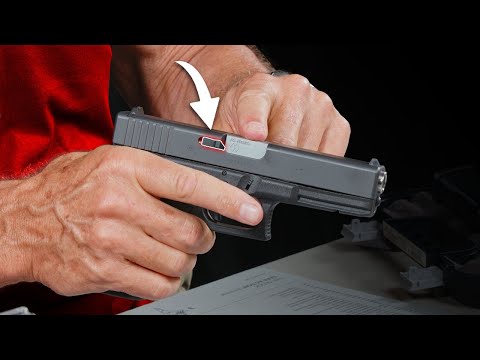
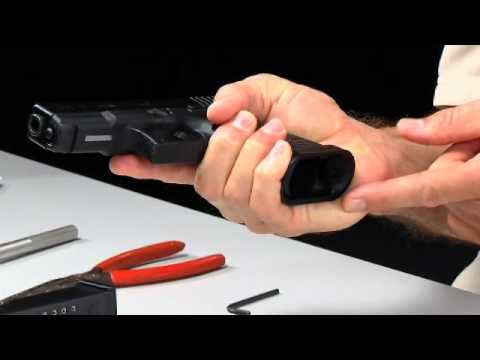
Lenny Magill, founder of GlockStore, explains the benefits of upgrading Glock guide rods. He details how factory plastic rods can flex, impacting accuracy, and demonstrates the weight difference between plastic, stainless steel, and tungsten rods. The video also covers using the GRT tool for spring compression and interchangeable springs, allowing for custom tuning.

Quick Summary

Upgrading your Glock's guide rod with a heavier metal option like stainless steel or tungsten can significantly improve accuracy and recoil management. These heavier rods add forward momentum, reduce muzzle flip, and provide a more consistent shot-to-shot feel, addressing the flexibility and potential breakage issues of factory plastic rods.

Chapters

  1. 00:00Introduction to Guide Rod Upgrades
  2. 00:40Weaknesses of Factory Plastic Rods
  3. 01:20Benefits of Metal Guide Rods
  4. 02:18Performance Demonstration
  5. 03:08Weight Comparison
  6. 04:05Interchangeable Springs and Tuning

Frequently Asked Questions

What are the benefits of upgrading a Glock's guide rod?

Upgrading to a heavier metal guide rod (stainless steel or tungsten) adds weight to the front of the firearm, potentially improving forward momentum, reducing muzzle flip, and leading to a more consistent shot-to-shot feel and enhanced accuracy.

How does the weight of different Glock guide rods compare?

Factory plastic guide rods typically weigh around 10.45g. Stainless steel guide rods are heavier, around 27.99g, while tungsten guide rods are the heaviest, weighing approximately 42.16g, offering significant mass advantage.

Can I tune my Glock's recoil spring with an upgraded guide rod?

Yes, using tools like the GlockStore Guide Rod Tool (GRT), you can compress the recoil spring and swap it onto different guide rods. This allows you to tune the firearm for specific ammunition types or to make slide racking easier.

Why are factory plastic guide rods problematic?

Factory plastic guide rods are flexible, which can cause inconsistent lock-up and negatively affect accuracy. They are also more prone to breaking during normal use compared to their metal counterparts.

More Gunsmithing & DIY Videos You Might Like

More from GlockStore

View all →